
When Daylight Saving Time begins, most people simply remember to move their clocks forward. But have you ever wondered why fire departments recommend checking smoke alarms during this time change?
In 2026, Daylight Saving Time begins at 2:00 a.m. on Sunday, March 8, when clocks move forward by one hour. Across North America, fire safety organizations use this moment as a simple reminder for households to test smoke alarms and replace batteries if needed.
For homeowners, tenants, and landlords in Toronto, this habit is especially important because smoke alarms are required by law under the Ontario Fire Code.
Why Is Daylight Saving Time Linked to Smoke Alarm Checks
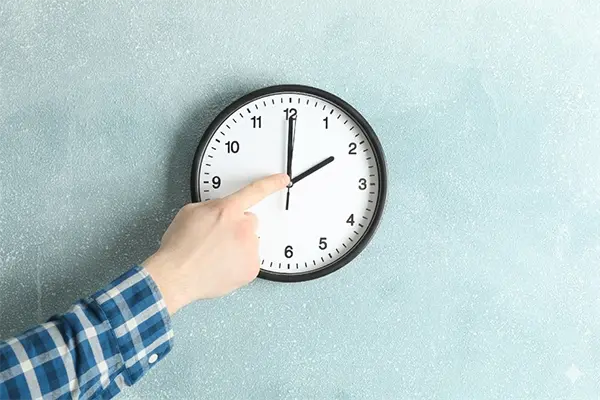
The reason smoke alarm checks are linked to Daylight Saving Time is simple: the clock change happens twice every year and is easy to remember.
Safety organizations realized that many people forget to test their smoke alarms regularly. By tying this safety habit to a widely known event like the clock change, households have a convenient reminder to perform basic maintenance.
Using the Daylight Saving Time change as a reminder helps people remember to:
- Test every smoke alarm in the home
- Replace batteries if necessary
- Check that alarms are installed in the proper locations
- Confirm alarms are not expired
Because this reminder happens every spring and fall, it creates a routine that significantly improves home safety.
Why Smoke Alarm Checks Are So Important
Smoke alarms are one of the most important safety devices in any home. They provide early warning when smoke is detected, allowing occupants time to escape during a fire.
Many residential fires occur late at night when people are sleeping. Without a working smoke alarm, occupants may not wake up until it is too late.
Organizations such as Toronto Fire Services consistently emphasize that working smoke alarms greatly increase the chances of surviving a house fire.
Regular testing ensures that the alarm will work when it is truly needed.
Smoke Alarm Requirements in Toronto
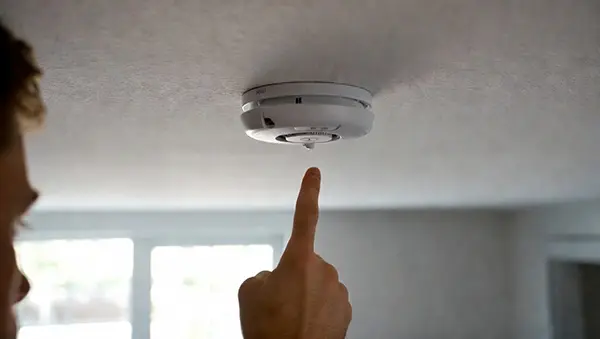
According to the City of Toronto, every home in Ontario must have:
- A working smoke alarm on every level of the home
- A smoke alarm outside all sleeping areas
- Properly installed alarms that remain operational at all times
These rules apply to all residential property types, including:
- Detached homes
- Semi-detached houses
- Townhouses
- Condominium units
- Rental properties
Residents can review the official guidance here
Responsibilities for Landlords and Tenants
Under the Ontario Fire Code, both landlords and tenants have roles in maintaining smoke alarm safety.
Landlord Responsibilities
Landlords must:
- Install smoke alarms in required locations
- Ensure alarms remain in working condition
- Maintain electrical or battery power sources
- Provide maintenance instructions to tenants
Failure to comply with these requirements can result in significant penalties, including fines of up to $50,000.
Tenant Responsibilities
Tenants must:
- Not remove or disable smoke alarms
- Notify the landlord if an alarm stops working
- Report issues such as low batteries or malfunctioning alarms
Maintaining communication between landlords and tenants ensures alarms continue to function properly.
What You Should Do When Daylight Saving Time Begins
When Daylight Saving Time starts at 2:00 a.m. on Sunday, March 8, 2026, take a few minutes to perform these quick checks:
- Press the test button on every smoke alarm
- Replace batteries if the alarm chirps or sounds weak
- Confirm alarms are installed on every level of the home
- Check the manufacturing date and replace alarms older than 10 years
These simple steps only take a few minutes but can make a major difference in household safety.
Final Thoughts
So why should you check smoke alarms when Daylight Saving Time begins?
Because the clock change provides a simple, memorable reminder to maintain one of the most important safety devices in your home. Testing smoke alarms during this seasonal shift helps ensure they will work when a real emergency occurs.
For residents, landlords, and property managers in Toronto, taking a few minutes during the time change can help protect lives and maintain compliance with the Ontario Fire Code.
Resources
- City of Toronto – Smoke Alarms
- Government of Ontario – Fire Safety in the Home
- Ontario Fire Code Regulation (O. Reg. 194/14)
- Toronto Fire Services – Fire Safety Information
- National Fire Protection Association – Smoke Alarm Safety
Insights
Insights is Xtends’ resource hub for rental management tips, Toronto and Ontario market updates, and practical property guidance. We share insights on neighborhood trends, leasing strategies, landlord responsibilities, and condo, apartment, and house maintenance best practices. Designed for landlords and realtors in the Greater Toronto Area, our articles deliver timely information to support compliance, protect property value, and maximize long-term real estate returns.