
Understanding the Underused Housing Tax (UHT) is important for many property owners in Canada. It is a federal tax designed to encourage more active use of residential properties by applying an annual 1 % tax on certain vacant or underused homes. Even if no tax is payable, many owners are still required to file a UHT return each year.
In this guide, we break down what the UHT is, who must file, available exemptions, filing deadlines, and what happens if you don’t comply.
What Is the Underused Housing Tax?
The Underused Housing Tax (UHT) is a 1 % annual tax on the value of certain residential properties in Canada that are considered vacant or underused. It is administered by the Canada Revenue Agency (CRA) and applies under rules set out in the Underused Housing Tax Act (UHTA).
The purpose of the tax is to encourage owners to make better use of housing resources across Canada, especially in areas where housing availability is a concern.
Who Must File a UHT Return?
Not all property owners are required to file a UHT return. Your filing obligations depend on your status and the type of property you own:
- Affected owners: Individuals or entities who are not classified as “excluded owners” and who own residential property in Canada generally must file a UHT return, even if no tax is owed.
- Excluded owners: Most Canadian individuals whose property is their principal residence are excluded and typically do not need to file or pay tax.
- Foreign owners: Non‑resident owners often must file and may owe tax.
- Corporate and entity owners: Corporations, trusts, and certain partnerships may also have filing requirements, even when no tax is payable.
Under the UHT rules, a “residential property” includes detached houses, semi‑detached homes, rowhouses, and condominium units located within Canada.
Key Exemptions That Prevent the Tax
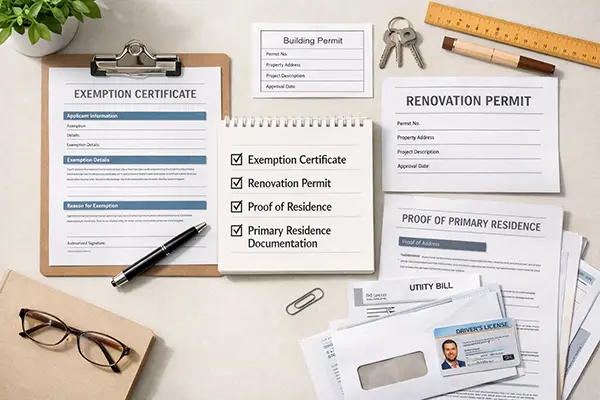
Even when a UHT return is required, your property may be exempt from paying the 1 % tax for a calendar year if it meets one of the following conditions:
- Principal residence exemption: The property serves as your primary place of residence during the year.
- Exempt use: The property is used in a qualified way as defined by the UHTA.
- Excluded owner classification: You meet criteria that classify you as an “excluded owner,” meaning you are not subject to tax.
It’s important to understand the exemption criteria, as they directly affect whether tax is owed on a property.
Filing Deadlines and Requirements
Property owners who must file a UHT return should note the important deadlines:
- Annual deadline: UHT returns must generally be filed by April 30 of the year following the calendar year in which the property was owned.
- Example: For a property owned on December 31, 2025, the UHT return must be filed by April 30, 2026.
Even if no tax is payable due to exemptions, failing to file on time can result in penalties, so adhering to deadlines is critical.
Penalties and Interest
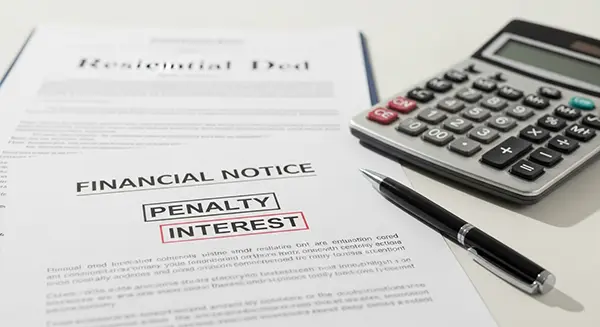
There are consequences for failing to file a UHT return by the deadline, even if no tax is payable:
- Minimum penalties: Affected individual owners may face minimum penalties for not filing, and corporations or non‑individual owners may face higher minimum amounts.
- Interest: If tax is owed and is not paid by the deadline, interest charges may apply.
Property owners should retain documentation supporting their filings and exemptions for at least six years, as the CRA may request this in reviews or audits.
Important Deadlines and Payments
For the 2025 VHT:
- Declaration deadline: April 30, 2026
- Tax rate: 3% of the property’s current value assessment
- Installment due dates: September 15, October 15, and November 16, 2026
Payment can be made through online bank portals, telephone banking, ATMs, or in person at financial institutions.
✨ Tips
It’s easy to confuse the Toronto Vacant Home Tax and Canada’s Underused Housing Tax because both target empty or underused properties. The chart below highlights the main differences so you know which rules apply to your property:
| Feature | Toronto Vacant Home Tax | Canada Underused Housing Tax |
|---|---|---|
| Level | City of Toronto | Federal (Canada) |
| Applies to | All residential properties in Toronto | Certain residential properties across Canada |
| Main Purpose | Encourage occupancy / reduce local vacancies | Optimize national housing use, tax non-resident owners |
| Administered by | City of Toronto | Canada Revenue Agency (CRA) |
| Tax / Penalty | City tax on vacant homes | 1% federal tax on underused homes, plus filing obligations |
| Key Focus | Local property occupancy | National compliance for underused properties |
*Always check whether your property falls under local or federal rules to avoid confusion and stay compliant.
Final Thoughts
Canada’s Underused Housing Tax is a compliance obligation that many property owners need to understand — not only to determine if tax is owed but also to ensure that the required annual return is filed correctly and on time. Carefully review your obligations, identify applicable exemptions, and seek guidance from the CRA or a tax professional if you are unsure.
Staying informed about the UHT helps you avoid penalties and ensures your property filings comply with federal requirements.