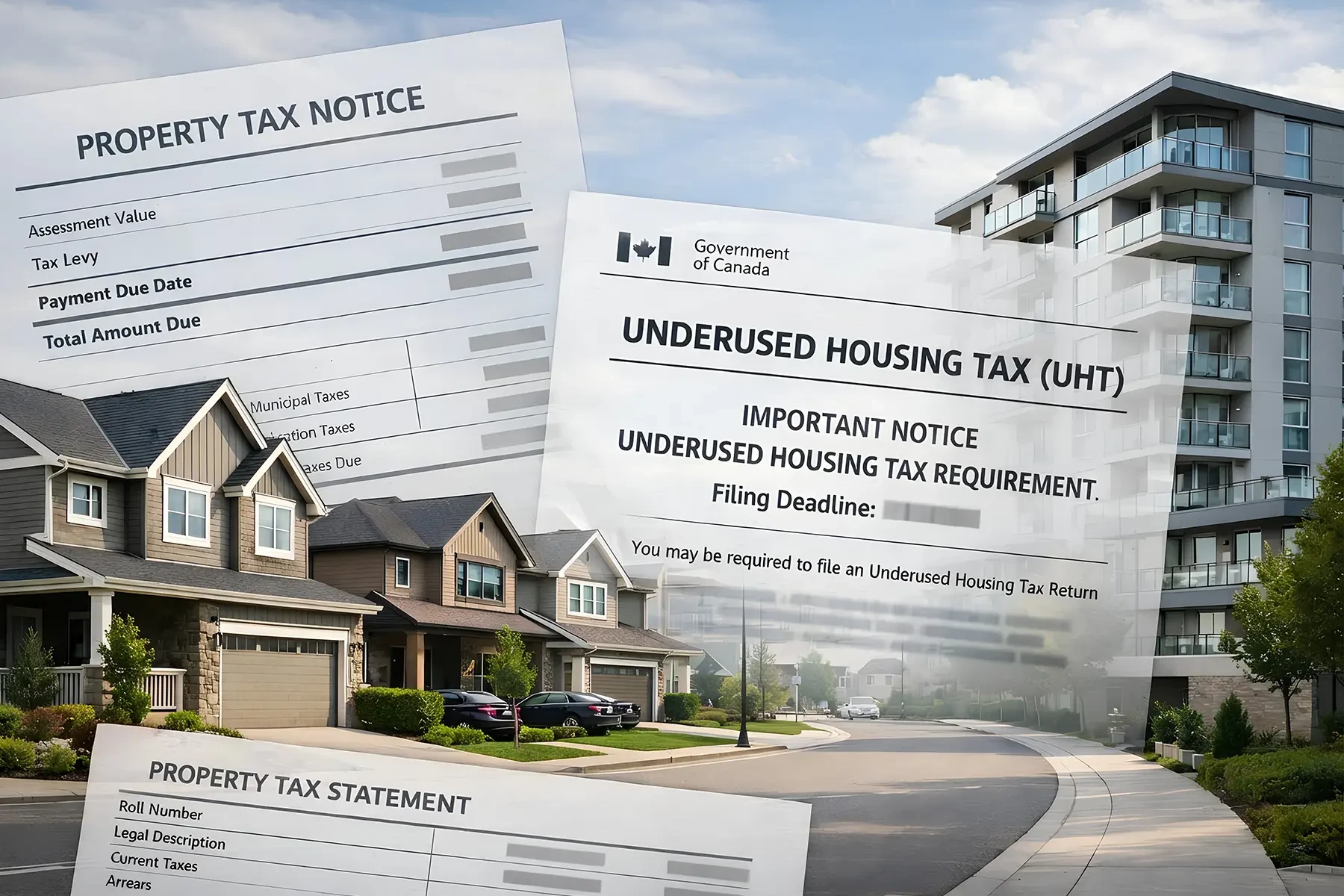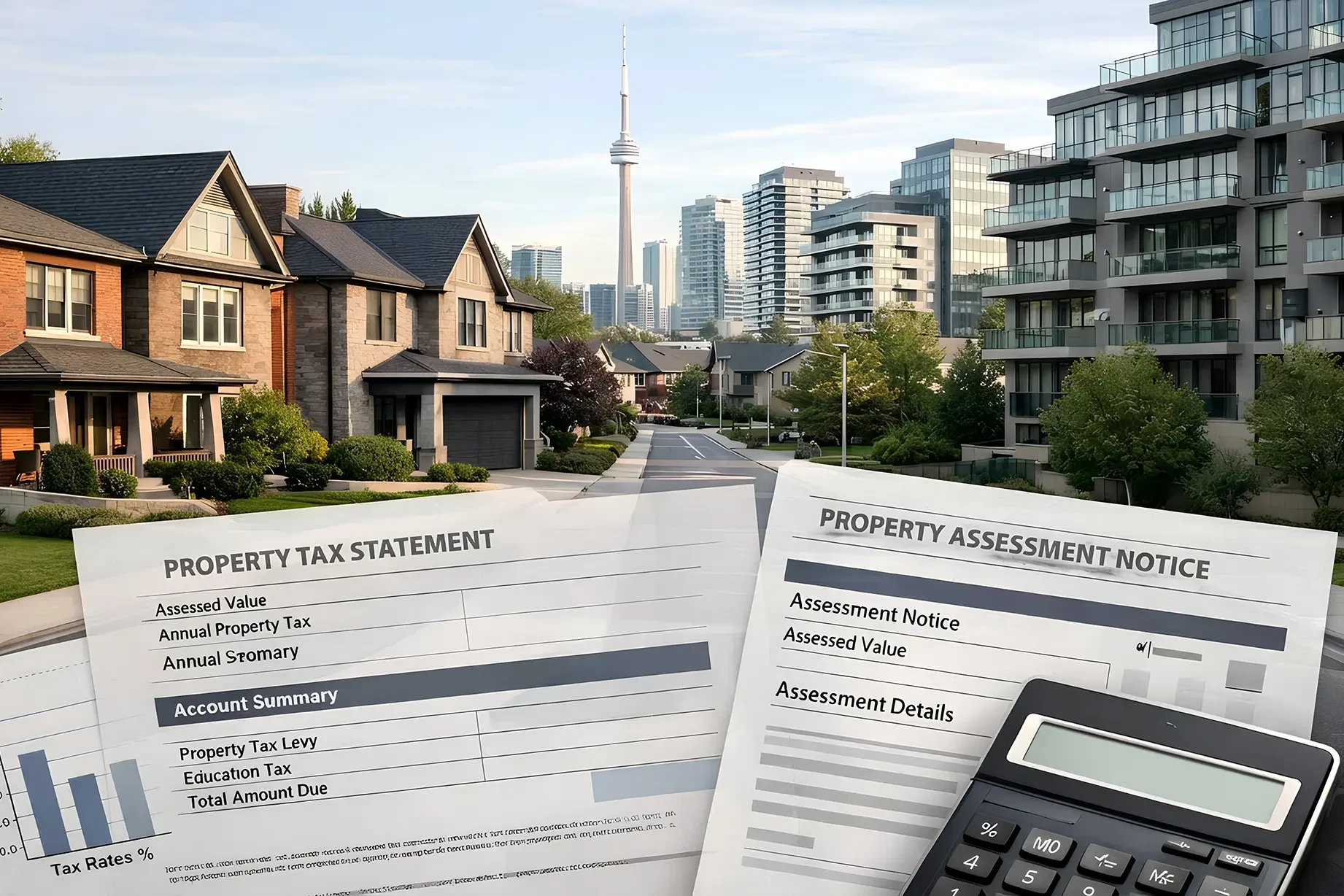

Could your property be a fraud target?
Many property owners in Toronto and across Ontario assume real estate fraud only happens to careless investors or vacant homes. Unfortunately, property fraud has become increasingly sophisticated, and even experienced homeowners and realtors can become victims.
As property values rise and transactions move faster, fraudsters look for opportunities to exploit identity gaps, vacant listings, private sales, and title vulnerabilities. Understanding how property fraud works — and how to prevent it — is no longer optional. It is essential risk management.
What Is Property Fraud?
Property fraud occurs when someone illegally uses your identity or property information for financial gain. The most common forms include:
- Title fraud
- Mortgage fraud
- Rental listing scams
- Identity theft tied to property ownership
Fraudsters may forge documents, impersonate owners, or manipulate transactions to transfer ownership or secure financing without the real owner’s knowledge.
According to the Canadian Anti-Fraud Centre, identity-related fraud continues to grow nationwide, and real estate remains a high-value target.
Why Toronto and Ontario Properties Are Attractive Targets
Ontario’s strong housing market makes property an attractive asset for criminals. Several factors increase risk:
High Property Values
Toronto real estate values create significant leverage opportunities for fraudsters seeking large mortgage approvals.
Absentee Owners
Vacant properties, investment condos, estate properties, and homes owned by out-of-province or overseas owners are particularly vulnerable.
Publicly Accessible Records
Basic ownership details can often be accessed through provincial land registry systems, making it easier for criminals to gather information.
Rapid Digital Transactions
While digital closings and remote verifications improve convenience, they also create opportunities for identity manipulation when verification procedures are weak.

Common Types of Property Fraud
⚠️ 1. Title Fraud
Title fraud occurs when someone forges documents to transfer your property into their name. Once the title is transferred, they may:
- Take out a mortgage against the property
- Sell the property to an unsuspecting buyer
- Use the property as collateral
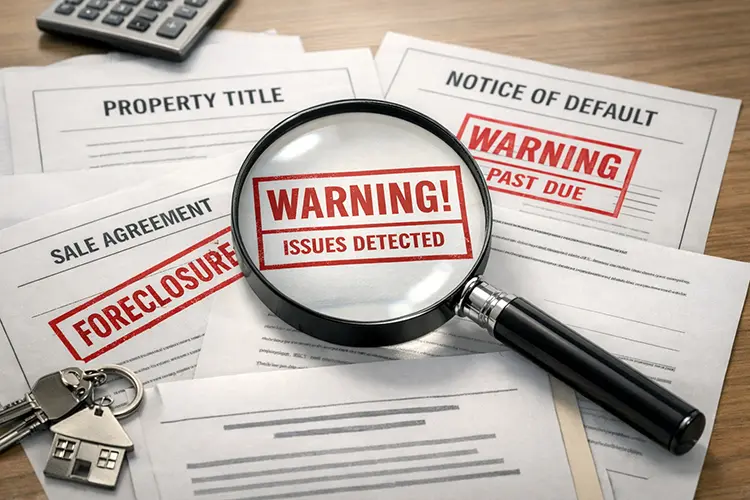
Victims often discover the fraud only after receiving mortgage statements or foreclosure notices.
⚠️ 2. Mortgage Fraud
This involves falsifying income, employment, or ownership details to secure a mortgage. In some cases, fraudsters impersonate the homeowner to refinance the property.
⚠️ 3. Rental Listing Scams
Criminals copy legitimate property listings and advertise them as rentals. They collect deposits from tenants and disappear.
The Toronto Police Service regularly reports rental scams, especially involving condos and vacant homes.
⚠️ 4. Identity Theft Linked to Property
Fraudsters may use stolen identification to change mailing addresses, intercept documents, and initiate ownership or financing changes.

Warning Signs Your Property Could Be Targeted
Early detection reduces damage. Watch for:
- Unexpected credit activity
- Missing financial or municipal mail
- Loan documents you did not request
- Unknown individuals claiming tenancy or ownership
- Notifications of title changes you did not authorize
Property records in Ontario are managed through systems overseen by ServiceOntario, where ownership information can be verified.
Who Is Most at Risk?
Certain situations increase vulnerability:
- Mortgage-free properties
- Seniors with fully paid homes
- Investment property owners
- Vacant properties
- Estate properties under probate
Properties without active lender oversight may have fewer automated checks.
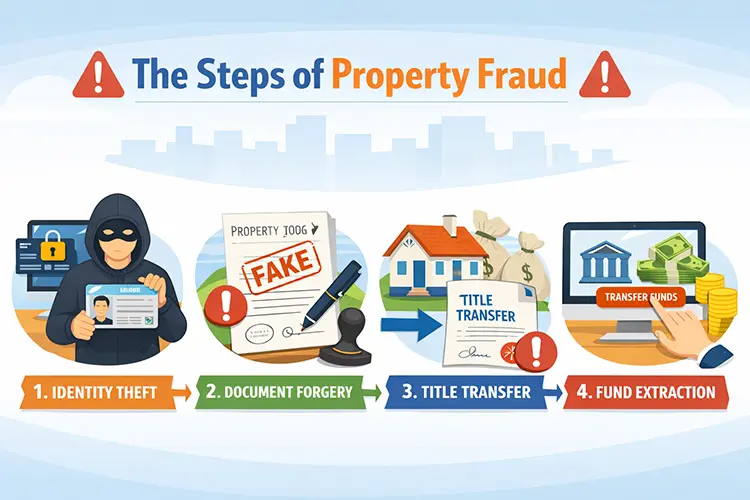
How Property Fraud Typically Occurs
Fraud often follows a pattern:
- Personal information is obtained through phishing, data breaches, or stolen documents.
- False identification or legal documents are created.
- Ownership or financing applications are submitted.
- Funds are extracted before detection.
The Government of Canada notes that identity theft frequently precedes financial fraud.
Practical Prevention Steps
Prevention does not require aggressive measures — but it does require awareness.
Monitor Your Personal Information
Review your financial statements regularly and address unusual activity immediately.
Keep Documents Secure
Store property tax bills, identification, and legal paperwork safely.
Maintain Updated Contact Information
Ensure your financial institutions and legal representatives have accurate contact details.
Be Cautious With Digital Sharing
Avoid publicly posting ownership documents or sensitive personal details.
Periodically Review Ownership Records
Checking that your property title remains accurate can help detect unauthorized changes early.
What To Do If You Suspect Fraud
If you believe your property has been targeted:
- Contact your financial institution immediately.
- Consult a real estate lawyer.
- File a report with local law enforcement.
- Report the incident to the Canadian Anti-Fraud Centre.
Quick action significantly reduces long-term damage.
Final Thoughts
Could your property be a fraud target? In today’s environment, the honest answer is yes.
However, awareness and routine monitoring greatly reduce risk. Property fraud thrives on inattention. By staying informed and vigilant, homeowners and investors in Toronto and across Ontario can better protect their most valuable asset.

Insights
Insights is Xtends’ resource hub for rental management tips, Toronto and Ontario market updates, and practical property guidance. We share insights on neighborhood trends, leasing strategies, landlord responsibilities, and condo, apartment, and house maintenance best practices. Designed for landlords and realtors in the Greater Toronto Area, our articles deliver timely information to support compliance, protect property value, and maximize long-term real estate returns.