
If you own residential property in the City of Toronto, you need to understand the Vacant Home Tax (VHT). This tax is designed to encourage owners to rent or sell properties that remain unoccupied for long periods. Annual declarations are required, and failing to declare — even on your main residence — can result in the tax being applied or potential fines.
This guide breaks down the key elements: who must declare, how to do it, which exemptions apply, important dates, and what happens if you don’t comply.
What Is the Vacant Home Tax?
The Vacant Home Tax is a municipal tax introduced by the City of Toronto. It applies to residential properties that are unoccupied for more than six months within a taxation year unless they qualify for an exemption or are the owner’s principal residence. The goal is to increase the availability of homes for rent or sale within the city.
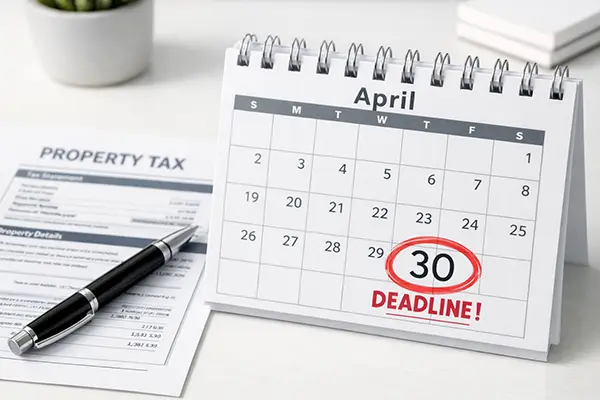
For 2025, the declaration deadline is April 30, 2026, and owners must submit their occupancy status by that date each year.
Who Must Declare
Every residential property owner in Toronto must annually declare whether their property was:
- Occupied by the owner (principal residence)
- Occupied by tenants or household members
- Vacant but eligible for an exemption
- Vacant and taxable
Even properties that are the owner’s principal residence must be declared; most owners will not pay tax if they submit the declaration on time.
How to Declare Your Property’s Status
You can submit your VHT declaration in several ways:
- Online through the City’s Vacant Home Tax portal
- Phone by calling 311 within Toronto or 416-392-2489 from outside the city
- In person at designated City tax and utility counters
You’ll need your customer number and 21-digit assessment roll number from your property tax bill or statement to complete the declaration.

Key Exemptions That Prevent the Tax
Some situations allow a vacant property to be exempt from the Vacant Home Tax:
- Principal residence of the owner or eligible occupant
- Death of the registered owner (limited years)
- Major repairs or renovations preventing occupation
- Recent transfer of legal ownership
- Occupancy for full-time employment outside the GTA
- Court order preventing occupancy
- New residential inventory offered for sale
- Medical reasons requiring secondary residence
Supporting documentation is required when claiming an exemption.
What Happens If You Don’t Declare
If you fail to declare by the deadline:
- The property is deemed vacant and subject to the Vacant Home Tax
- A Vacant Home Tax notice may be issued
- You may face financial penalties or fines for false or missing declarations
You can dispute a bill or declaration through the City’s dispute and appeal processes, though deadlines may apply.
Important Deadlines and Payments
For the 2025 VHT:
- Declaration deadline: April 30, 2026
- Tax rate: 3% of the property’s current value assessment
- Installment due dates: September 15, October 15, and November 16, 2026
Payment can be made through online bank portals, telephone banking, ATMs, or in person at financial institutions.
✨ Tips
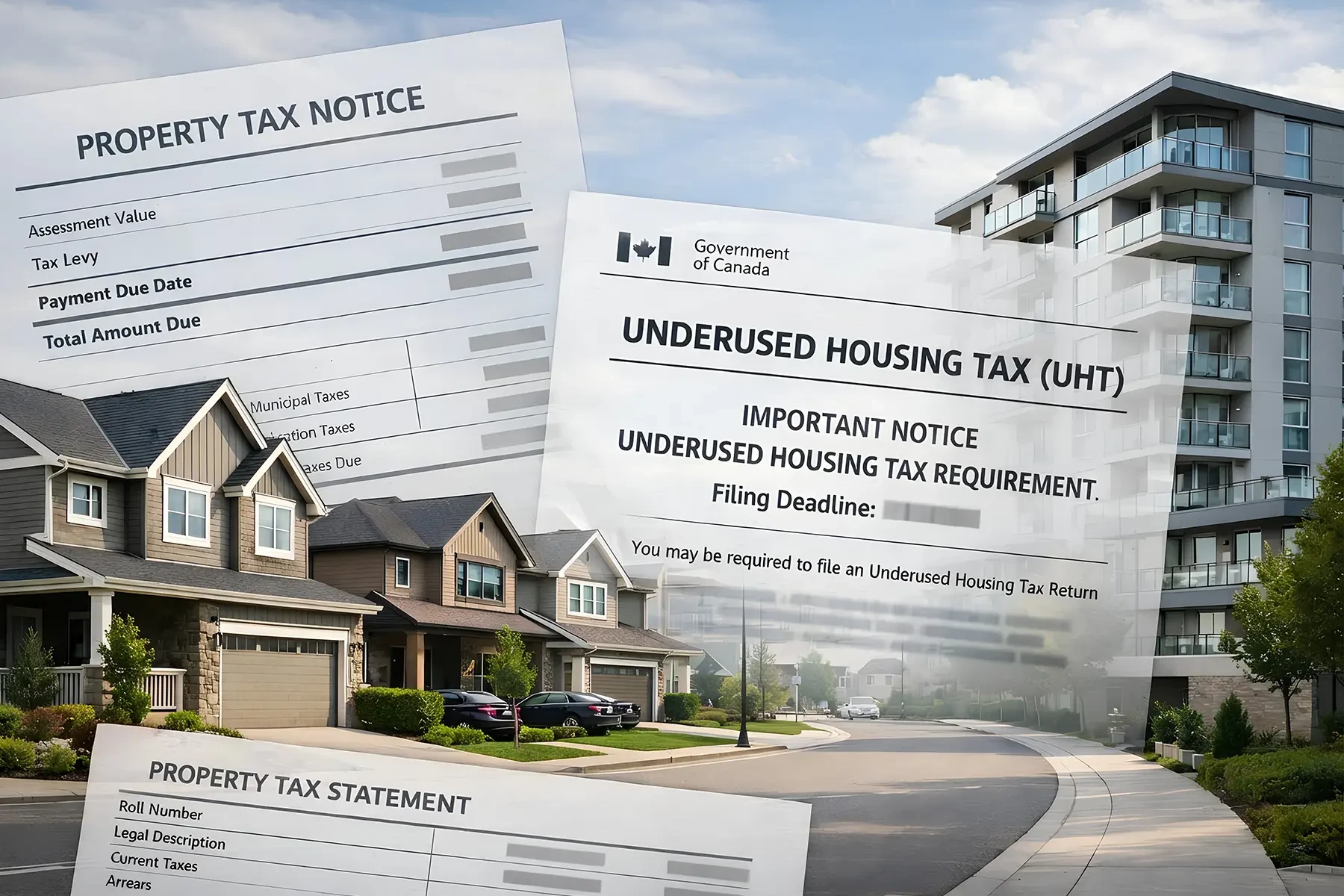
It’s easy to confuse the Toronto Vacant Home Tax and Canada’s Underused Housing Tax because both target empty or underused properties. The chart below highlights the main differences so you know which rules apply to your property:
| Feature | Toronto Vacant Home Tax | Canada Underused Housing Tax |
|---|---|---|
| Level | City of Toronto | Federal (Canada) |
| Applies to | All residential properties in Toronto | Certain residential properties across Canada |
| Main Purpose | Encourage occupancy / reduce local vacancies | Optimize national housing use, tax non-resident owners |
| Administered by | City of Toronto | Canada Revenue Agency (CRA) |
| Tax / Penalty | City tax on vacant homes | 1% federal tax on underused homes, plus filing obligations |
| Key Focus | Local property occupancy | National compliance for underused properties |
*Always check whether your property falls under local or federal rules to avoid confusion and stay compliant.
Final Thoughts
Understanding the Vacant Home Tax is essential for Toronto property owners — whether you live in the home, rent it out, or leave it empty. Complying with the annual declaration requirement and knowing your exemption options will help you avoid unnecessary taxes or penalties.
If you’re unsure about your situation, consider contacting the City of Toronto or a professional advisor.
Insights
Insights is Xtends’ resource hub for rental management tips, Toronto and Ontario market updates, and practical property guidance. We share insights on neighborhood trends, leasing strategies, landlord responsibilities, and condo, apartment, and house maintenance best practices. Designed for landlords and realtors in the Greater Toronto Area, our articles deliver timely information to support compliance, protect property value, and maximize long-term real estate returns.