The Ontario Energy Board (OEB) confirmed that updated electricity prices under the Regulated Price Plan (RPP) take effect on November 1, 2026, changing how Ontario electricity rates November 2026 impact rental properties. While unit electricity consumption rates across Time-of-Use (TOU), Ultra-Low Overnight (ULO), and Tiered pricing are dropping by roughly 4% to 7%, a simultaneous drop in the Ontario Electricity Rebate (OER) from 23.5% down to 15.7% will cause overall monthly utility costs to rise for most households. For landlords in the Greater Toronto Area (GTA) and across Ontario, these policy shifts directly hit monthly cash flow—especially on units where utilities are built into the rent or where common area electrical consumption is high.
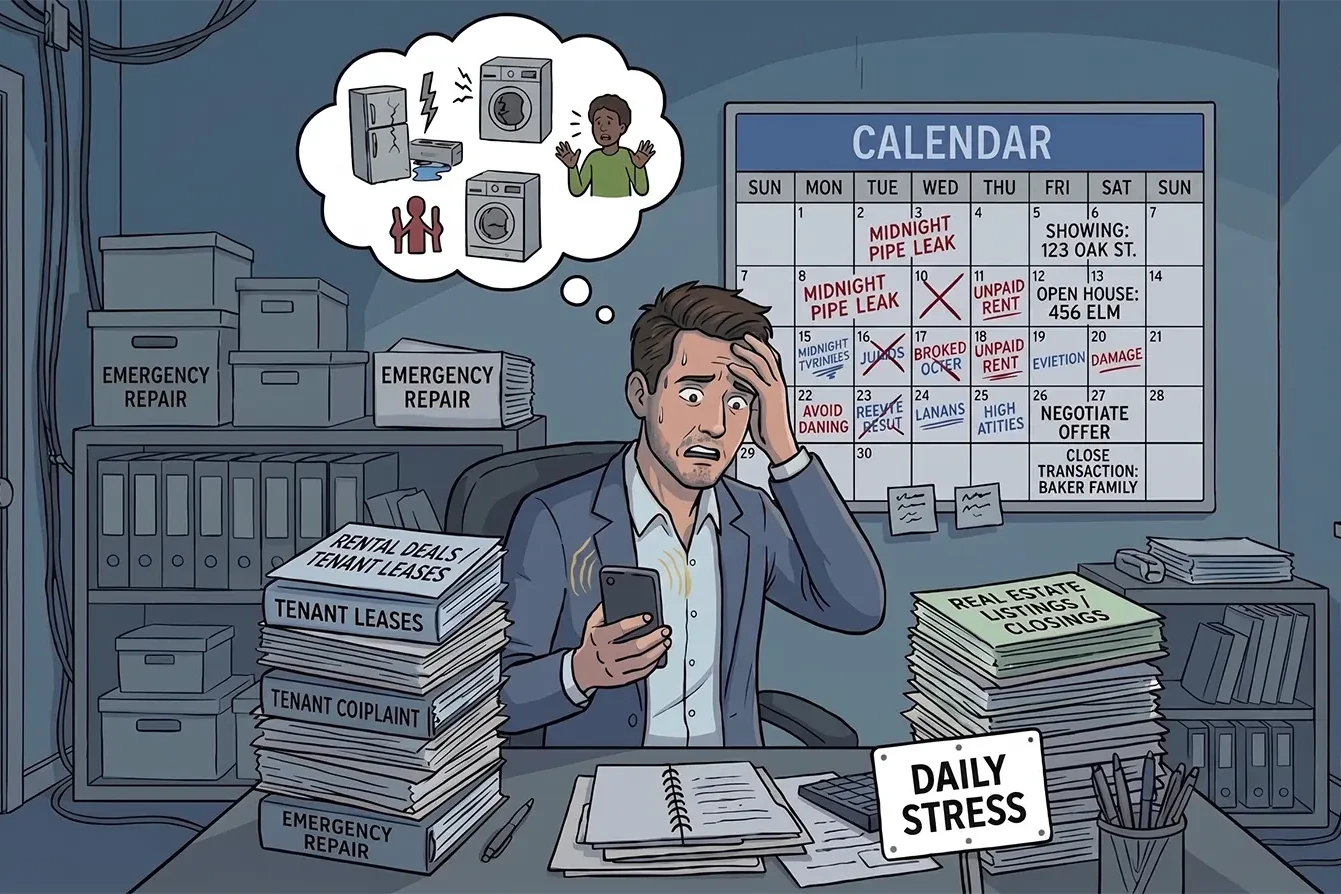
Managing a single-family home, a multi-unit property, or a portfolio of condos requires constant operational oversight. Unchecked increases in hydro bills erode profit margins already strained by high mortgage rates, property tax hikes, and strict provincial rent caps. When property owners attempt to handle tenant utility communication, billing disputes, and efficiency upgrades on their own, the ongoing administrative load quickly leads to severe landlord burnout.
Protecting rental margins against shifting overhead demands operational clarity and structured delegation. Understanding the financial reality behind the OEB November 2026 pricing adjustment allows real estate investors to enforce proactive maintenance protocols, clarify utility responsibilities, and protect their rental portfolios from unexpected expenses.
Decoding the November 1, 2026 OEB Electricity Rate & Rebate Overhaul
The OEB’s dual adjustment creates a deceptive outcome on monthly bills: lower consumption charges per kilowatt-hour (kWh) paired with a reduced provincial subsidy credit.
Winter Regulated Price Plan (RPP) Breakdown
- Off-Peak (Weekdays 7 p.m. – 7 a.m., Weekends/Holidays All Day): Drops to 9.1 ¢/kWh (down from 9.8 ¢/kWh).
- Mid-Peak (Weekdays 11 a.m. – 5 p.m.): Drops to 14.6 ¢/kWh (down from 15.7 ¢/kWh).
- On-Peak (Weekdays 7 a.m. – 11 a.m. and 5 p.m. – 7 p.m.): Drops to 18.9 ¢/kWh (down from 20.3 ¢/kWh).
- Tiered Structure (Winter Threshold 1,000 kWh/month): Tier 1 adjusts to 11.2 ¢/kWh; Tier 2 adjusts to 13.2 ¢/kWh.
- Ultra-Low Overnight (ULO): Overnight rate (11 p.m. – 7 a.m.) drops to 3.7 ¢/kWh, while on-peak (4 p.m. – 9 p.m.) shifts to 37.7 ¢/kWh.
Calculating the Real Financial Impact of the OER Reduction
The drop in unit rates is offset by the Ontario government reducing the Ontario Electricity Rebate (OER) from 23.5% to 15.7%. This automatic credit appears as a pre-tax line item near the bottom of residential and small business electricity bills.

| Utility Bill Component | Pre-Nov 1, 2026 Rate | Post-Nov 1, 2026 Rate | Net Financial Impact |
|---|---|---|---|
| Base Electricity Usage (TOU Avg.) | Higher kWh Base Rate | 9.1¢ to 18.9¢/kWh (~7% Drop) | Saves ~$6.00 / mo |
| Ontario Electricity Rebate (OER) | 23.5% Bill Credit | 15.7% Bill Credit (7.8% Cut) | Loses ~$13.00 / mo |
| Total Net Cost Surge (Per Suite) | Baseline Utility Overhead | Combined Rate & Rebate Shift | +$6.00 to +$12.00 / mo (+5.4% Net Increase) |
Properties using electric baseboard heating or sub-metered basement apartments will face larger net price spikes during cold winter months, as higher consumption magnifies the reduced rebate percentage.
Risk & Financial Clarity: Wasteful Utility Abuse vs. Normal Wear & Tear
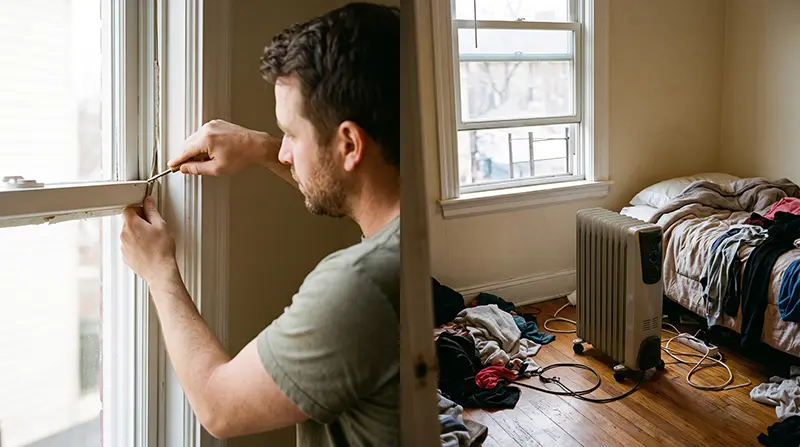
- Preventable Energy Loss vs. Standard Wear and Tear: Worn window seals or declining furnace blower efficiency fall under standard wear and tear under Ontario law. However, tenant negligence—such as leaving windows open while running electric heaters full-blast, blocking heat vents with heavy furniture, or tampering with central thermostats—represents preventable waste that strains operating budgets.
- Tenant vs. Landlord Utility Liabilities: Under the Residential Tenancies Act (RTA), if a lease states that utilities are included in the rent, a landlord cannot unilaterally pass along hydro rate increases triggered by the OEB’s November 2026 policy shift. The landlord is fully responsible for paying the bill. Conversely, where tenants pay utilities directly, landlords remain responsible for maintaining common-area wiring, exterior safety lighting, and central mechanical systems.
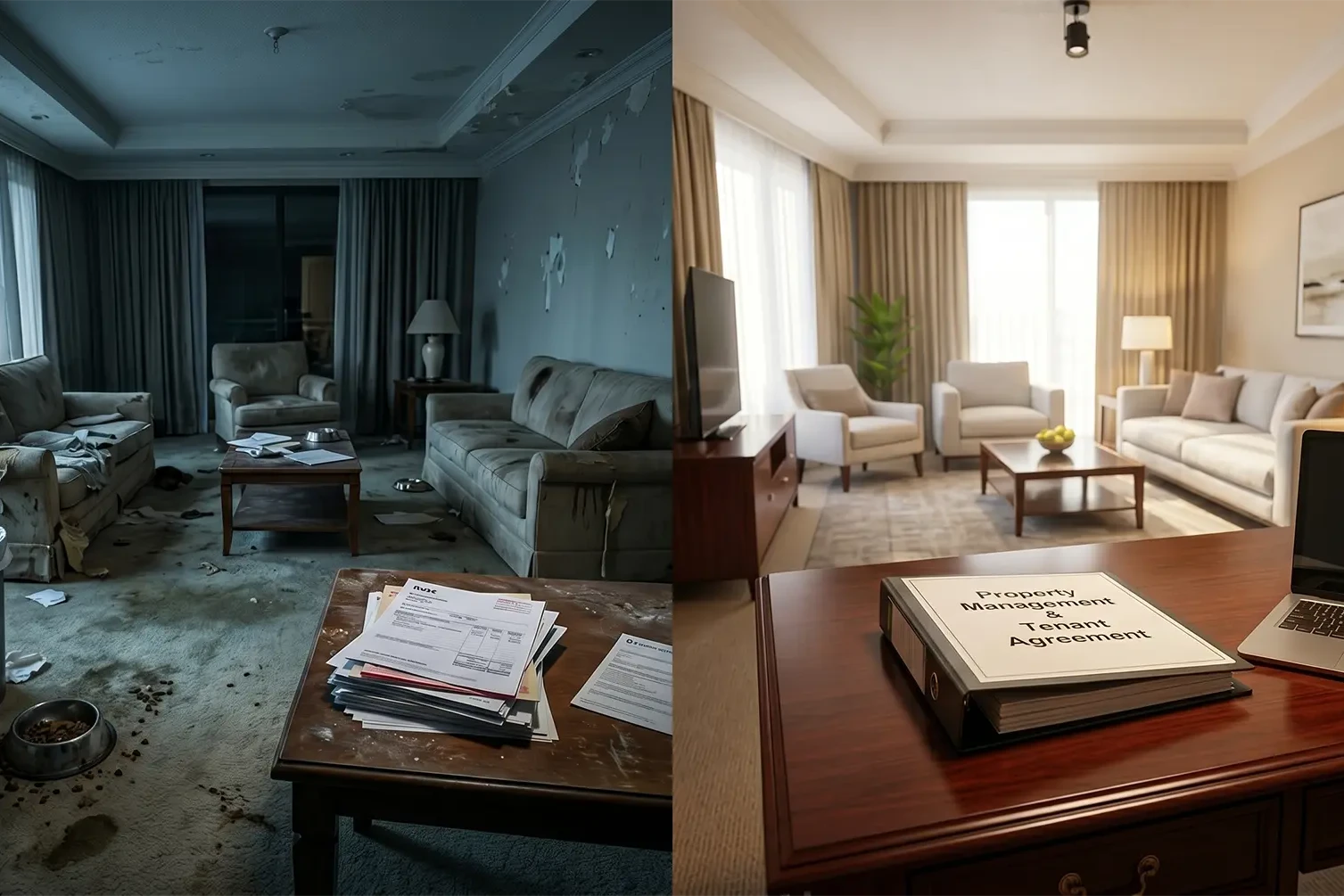
- Preventing Emergency Hazards & Contractor Charges: Overloading electrical systems with unauthorized appliances (such as high-draw space heaters or portable air conditioners) can blow breakers, damage electrical panels, and create fire risks. Setting clear lease terms and conducting routine checkups prevents emergency service calls. When tenant misuse directly damages electrical infrastructure, landlords can document the issue to seek repair recovery through the LTB or vendor chargebacks.
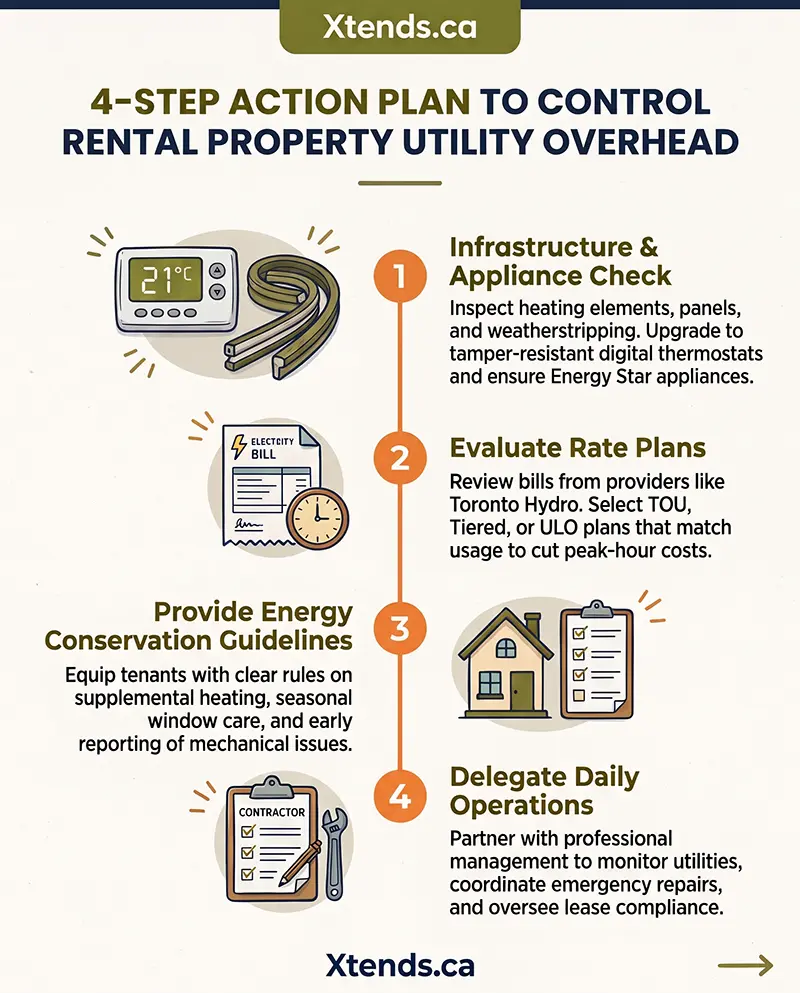
4-Step Action Plan to Control Rental Property Utility Overhead
To protect property returns against shifting hydro rates and unexpected operational costs, follow this practical, step-by-step workflow:
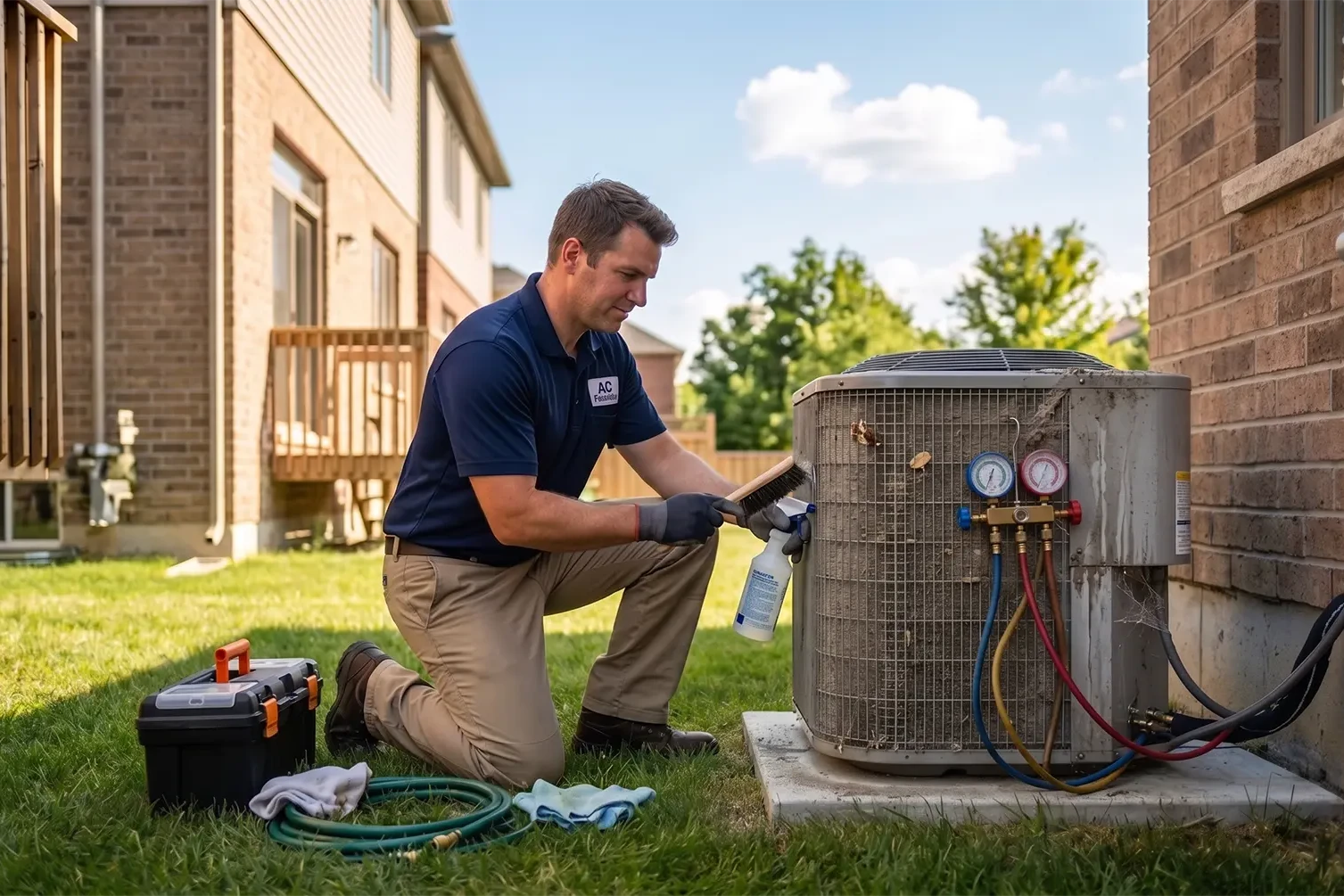
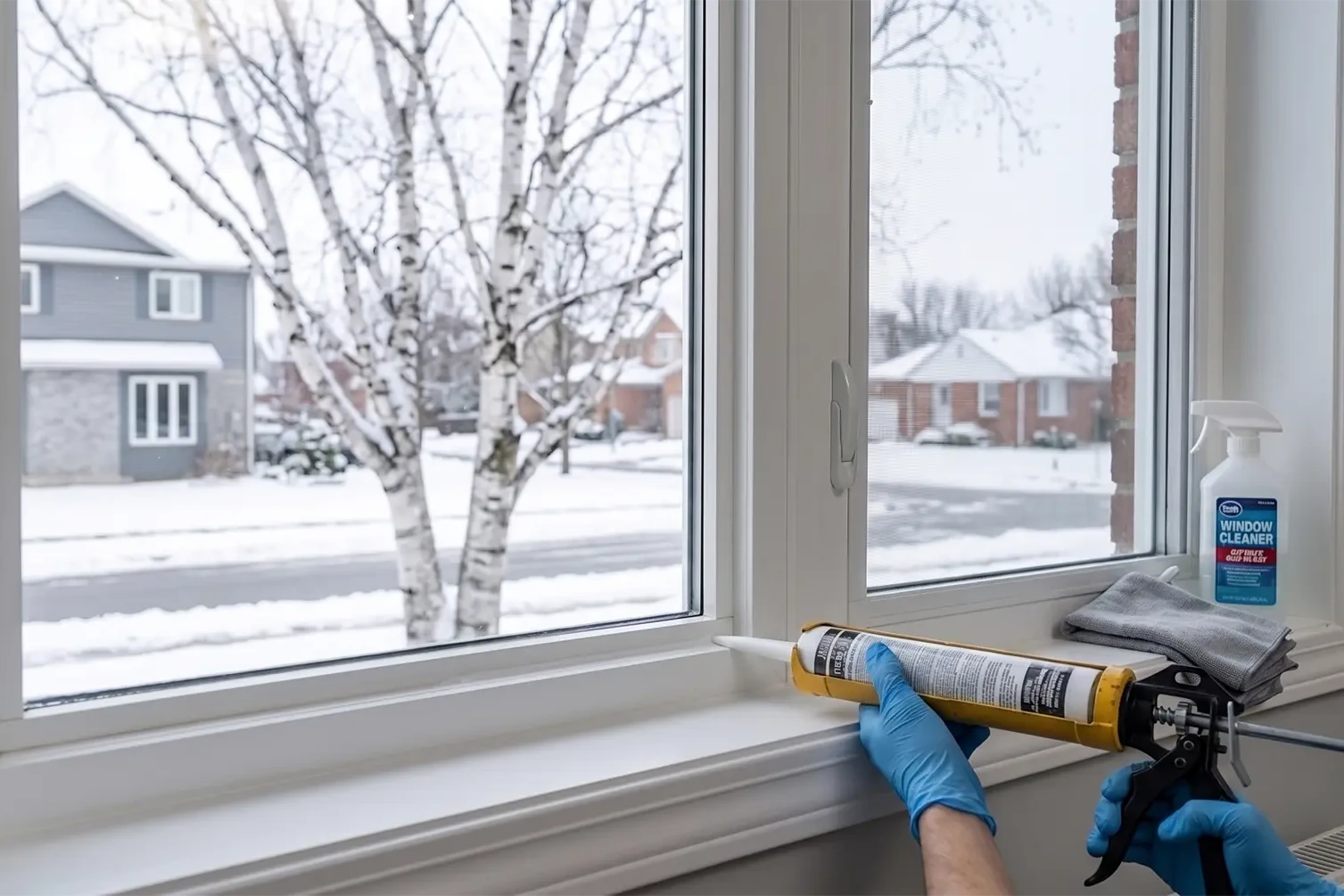
- Conduct an Infrastructure & Appliance Check: Inspect heating elements and electrical panels across the property. Ensure baseboard units are clear of obstacles, install fresh weatherstripping around doors and windows, and confirm appliances carry Energy Star ratings. Upgrade older manual thermostats to programmable, tamper-resistant digital models.
- Evaluate Rate Plans to Match Property Usage: Review past hydro bills from your local distributor (such as Toronto Hydro, Alectra, or Hydro One). Select the rate option—Time-of-Use (TOU), Tiered, or Ultra-Low Overnight (ULO)—that aligns best with your property’s energy profile to keep charges low during peak hours.
- Provide Clear Energy Conservation Guidelines: Equip tenants with straightforward guidance on energy conservation. Clarify rules around supplemental heating, seasonal window care, and reporting electrical or mechanical issues early before they escalate into major repairs.
- Delegate Daily Operations and Oversight: Eliminate the friction of utility monitoring, emergency repair coordination, and tenant messaging by partnering with professional management. Delegating daily operations ensures regular property checks, contractor management, and lease oversight are handled systematically.
Eliminating DIY Landlord Burnout Through Professional Management
Xtends Rental Management Inc. provides full-scope ongoing tenant management designed to restore your time and peace of mind. By managing daily tenant communication, seasonal maintenance schedules, contractor dispatching, and routine property care, Xtends keeps your rental operating seamlessly—so you can focus on your career, family, and long-term portfolio growth.
Final Thoughts
The November 1, 2026 Ontario Energy Board rate changes reinforce the value of proactive property management. While provincial rate shifts and utility rebates are out of your control, how your rental property is managed day-to-day is entirely up to you. Protect your yields, safeguard your free time, and experience complete peace of mind.
物业智库
物业智库是 Xtends 的资源平台,专注于租赁管理策略、多伦多及安省市场动态,以及实用物业管理指引。我们分享社区发展趋势、租务部署建议、业主法规责任,以及公寓、柏文与独立屋的维护与管理最佳实践。内容专为大多伦多地区的业主与地产代理而设,提供及时且专业的资讯,协助确保合规经营、保障资产价值,并提升长远房地产投资回报。