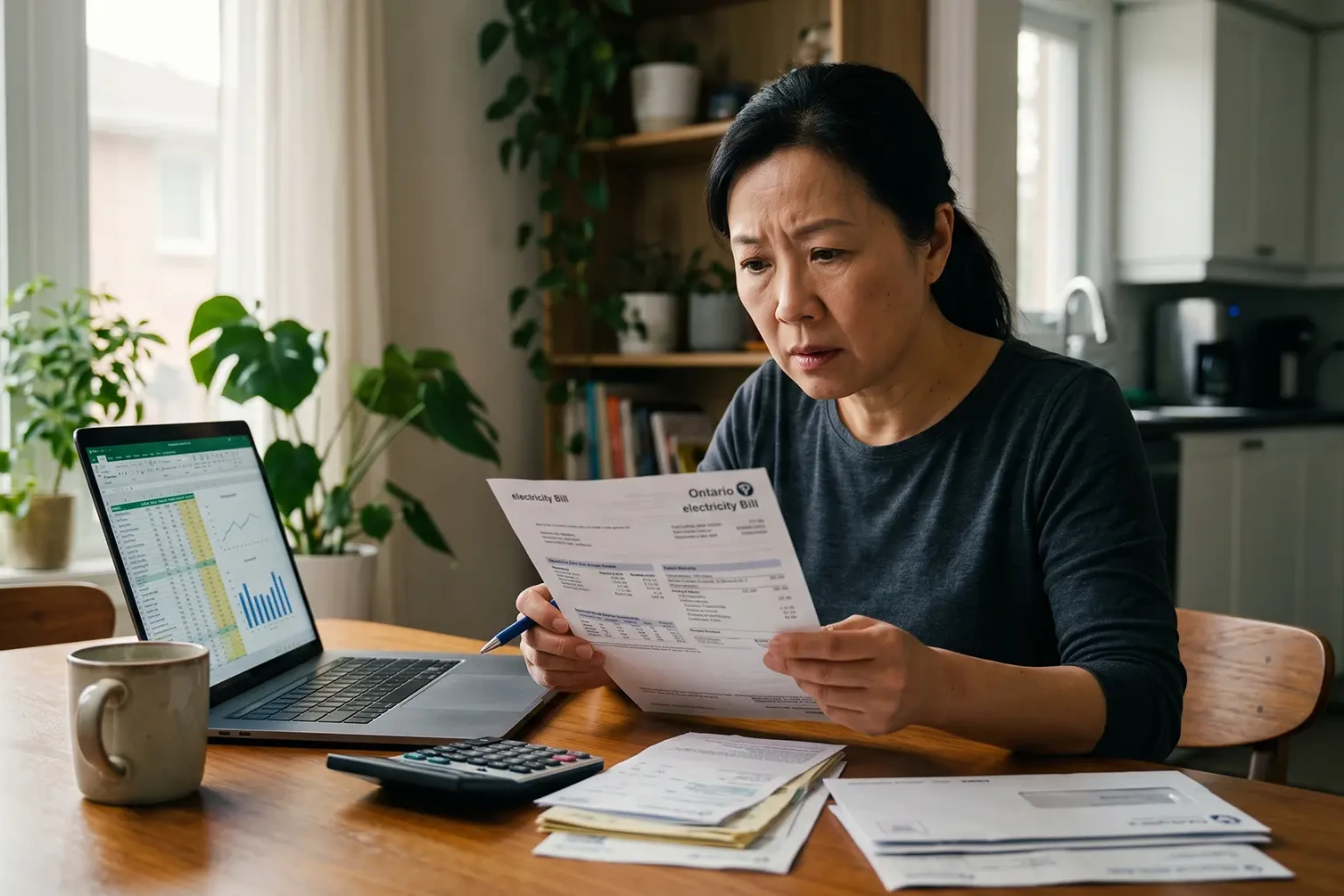
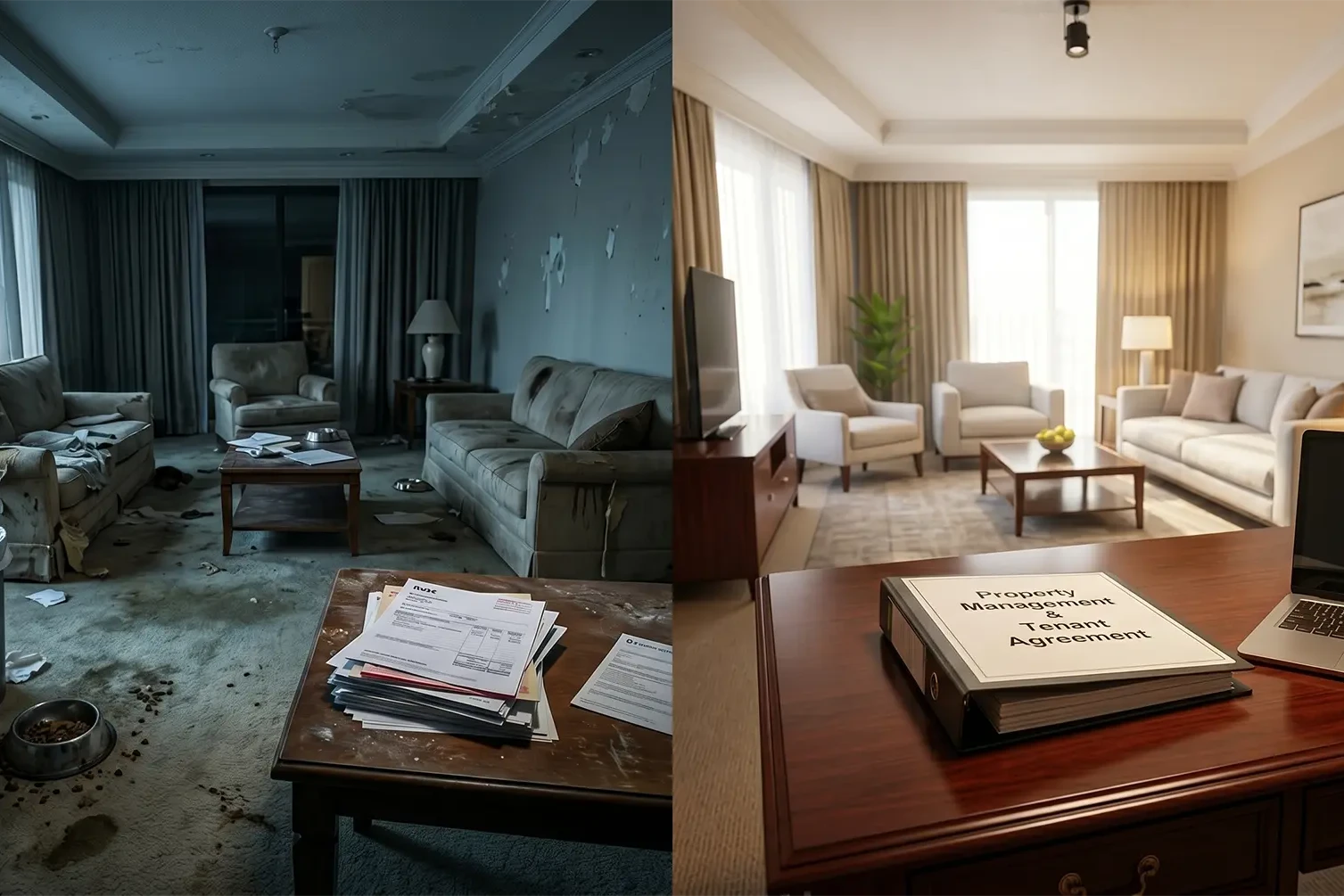
Moving into your first apartment, condo, or house in Ontario is an exciting milestone, but managing day-to-day home maintenance can feel overwhelming when you’re living on your own for the first time. Under Section 33 of Ontario’s Residential Tenancies Act (RTA), tenants are responsible for maintaining ordinary cleanliness and preventing damage caused by their own actions or neglect. Understanding basic tenant maintenance responsibilities in Ontario can help you keep your home safe, avoid unexpected repair costs, and enjoy a smooth, worry-free tenancy from start to finish.
Whether you are renting a high-rise downtown suite, a suburban townhome, or a single-family home, understanding your daily care duties keeps your living space operating seamlessly. Here is a user-friendly, beginner’s guide breaking down 15 key maintenance responsibilities every resident needs to know—requiring zero technical background or special skills!
The Basics: Normal Wear and Tear vs. Preventable Damage
Understanding home care under Ontario rules comes down to knowing the difference between normal aging and preventable damage:
- Normal Wear and Tear: Items wearing out slowly due to everyday use—such as an aging appliance motor failing or minor paint fading—are natural building upkeep duties handled as part of overall property care.
- Preventable Damage: Physical breaks, plumbing clogs, or water damage resulting from improper habits, carelessness, or skipping basic daily care are the resident’s direct responsibility.
15 Simple Maintenance Rules for Everyday Living
High-Rise Condo & Apartment Suite Upkeep
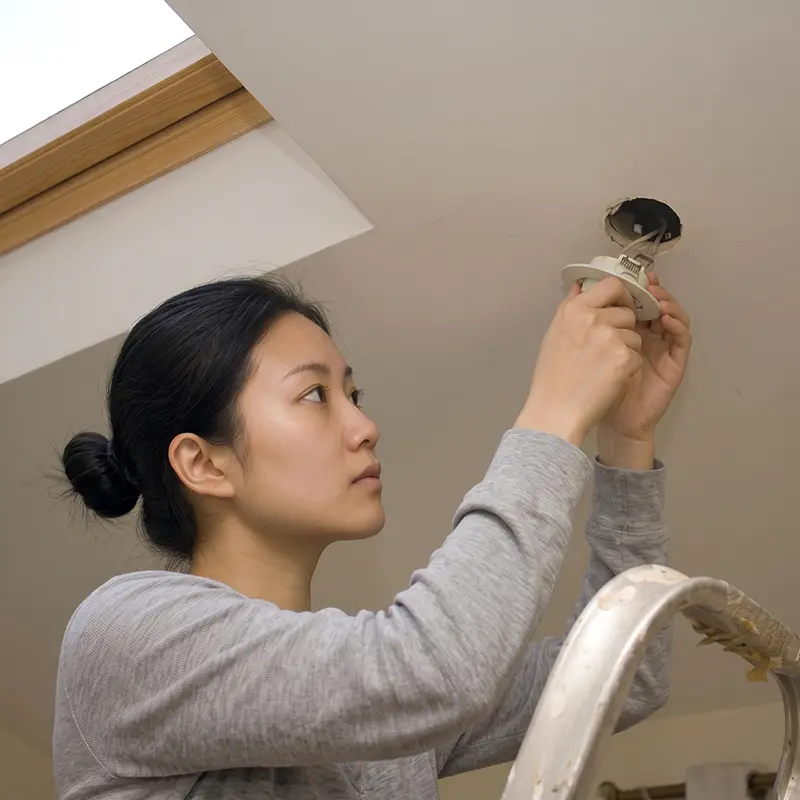
1. Replacing Standard Burned-Out Light Bulbs
When a standard light bulb burns out inside your private suite, replacing it is a simple, routine daily care task. Keeping spare light bulbs and standard thermostat batteries on hand allows you to maintain bright, comfortable rooms without needing a service technician visit.
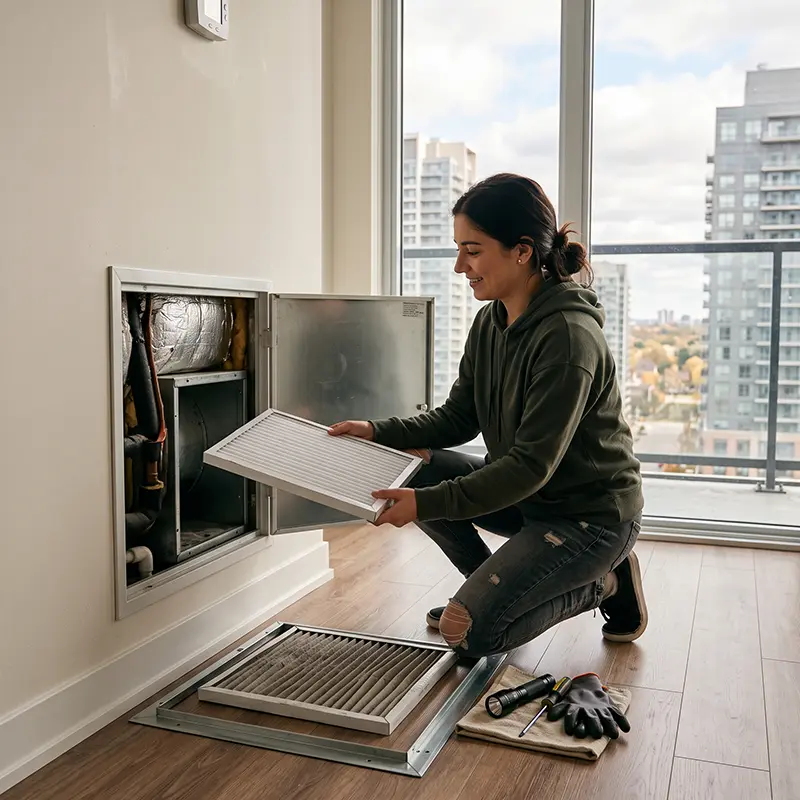
2. Clearing Access Around Heating and Air Conditioning Units
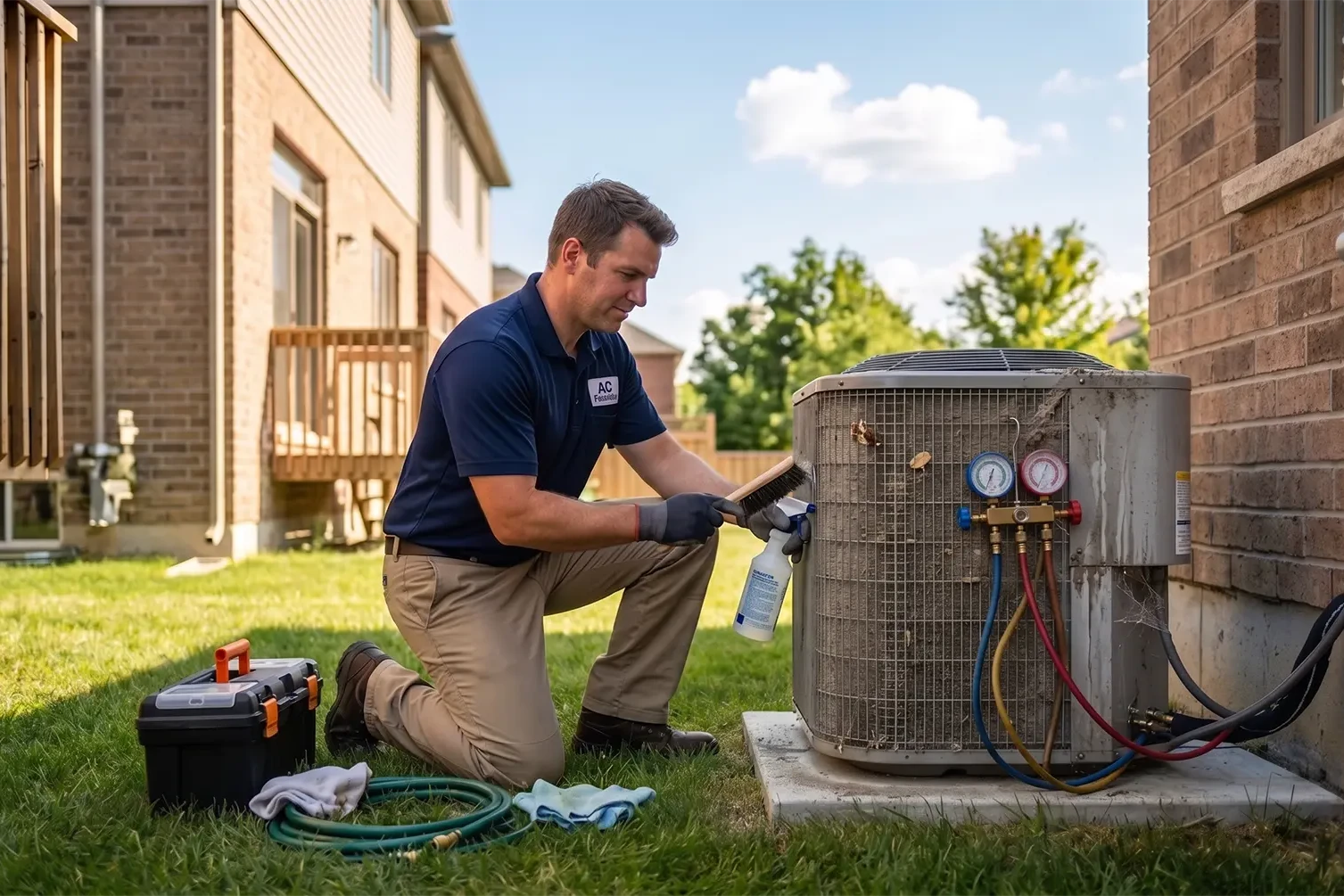
High-rise condos rely on Fan Coil Units (FCU) for seasonal heating and cooling switchovers. When building management schedules filter changes, simply move all furniture, boxes, and personal items away from the access panel so service crews can reach it easily. If blocked access prevents contractors from completing seasonal maintenance, secondary service visits may lead to direct contractor fee chargebacks.
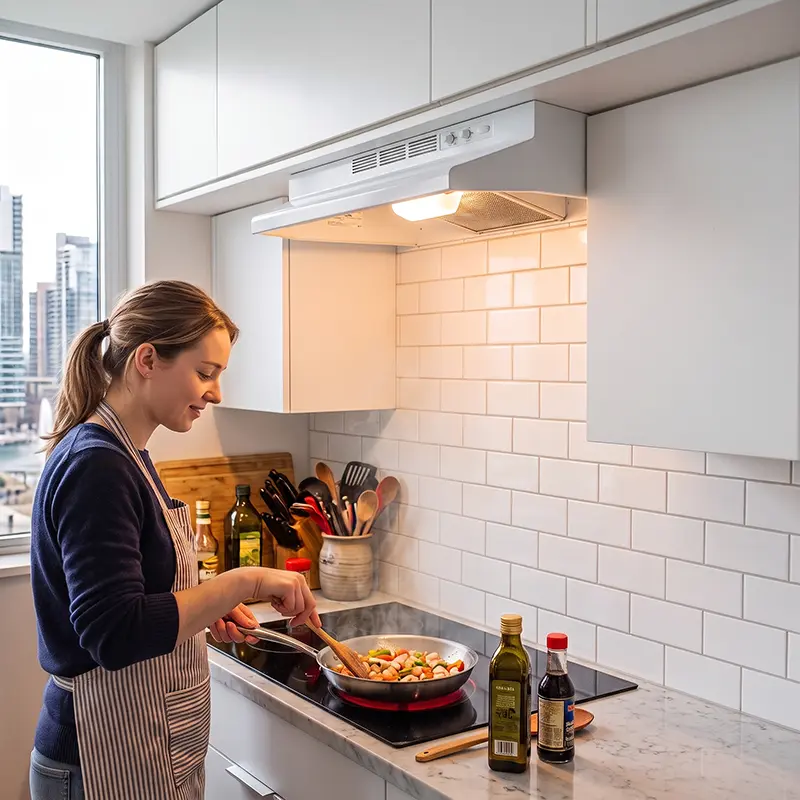
3. Using Kitchen Exhaust Fans and Protecting Refrigerators
Turn on your kitchen exhaust fan whenever you cook to pull heat, steam, and airborne grease out of the room. Leaving excess cooking heat in the room can weaken plastic fixtures and melt microwave handles over time. Additionally, avoid packing heavy glass bottles into refrigerator door bins to prevent cracking the plastic storage rails.
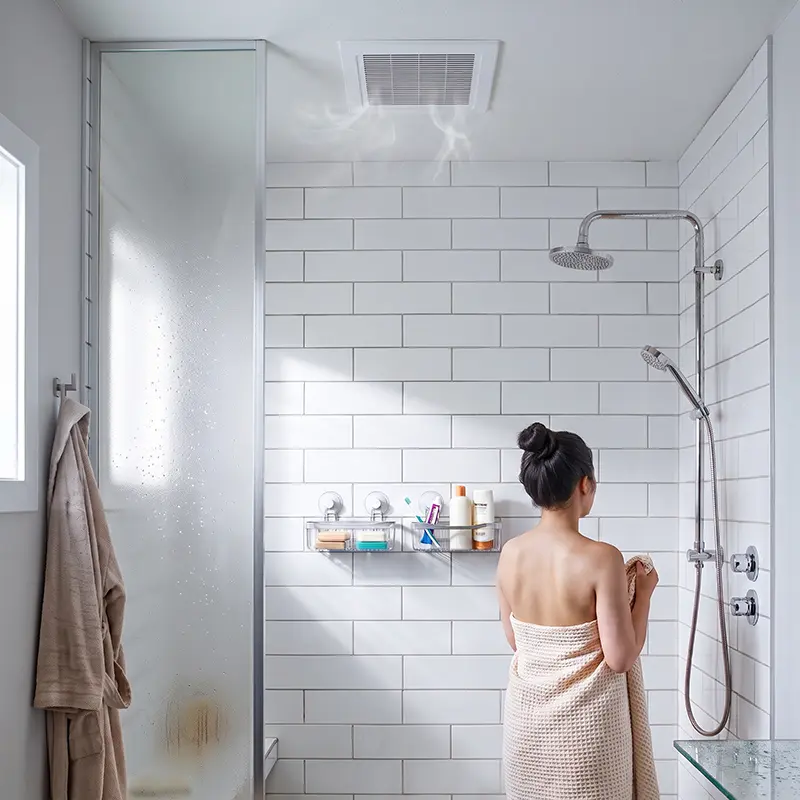
4. Running the Bathroom Fan During and After Showers
Always turn on the bathroom exhaust fan before stepping into the shower to pull out moisture. Be sure to leave the fan running for at least 20 to 30 minutes after you finish showering so steam dries completely. Skipping this simple habit traps heavy moisture on ceilings and walls, which leads to toxic mold growth and peeling paint.
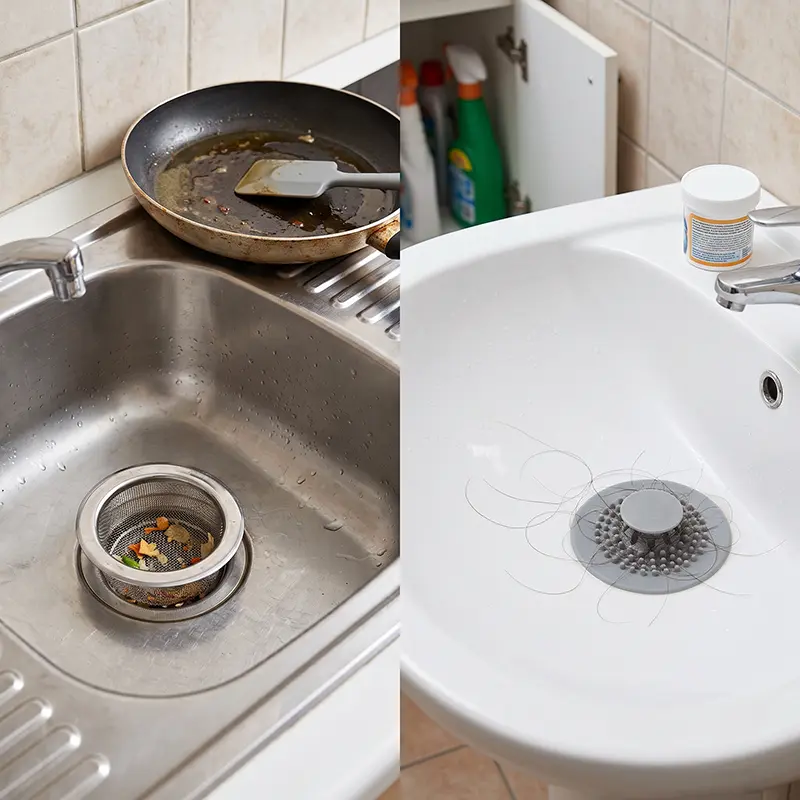
5. Stopping Drain Clogs Before They Start
Hair, food scraps, and cooking grease are the primary causes of slow-draining sinks and showers. Always keep a metal sink stopper in the kitchen sink and a silicone hair catcher over the shower or bathtub drain. Plumbing cleanouts required due to accumulated food waste, grease, or hair buildup are classified as resident misuse.
6. Scraping Dishes Before Dishwashing
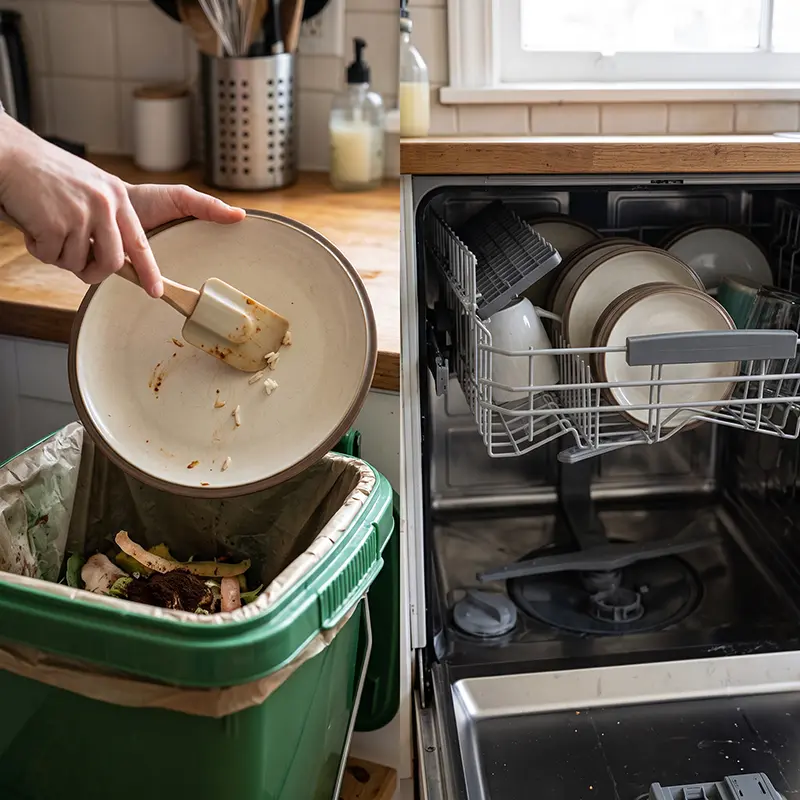
Thoroughly scrape leftover food off plates and bowls into the trash or organic bin before loading the dishwasher. Large chunks of solid food can get caught in the appliance’s drain pump, stopping water from emptying and triggering avoidable service charges.
7. Washing Machine and Dryer Care
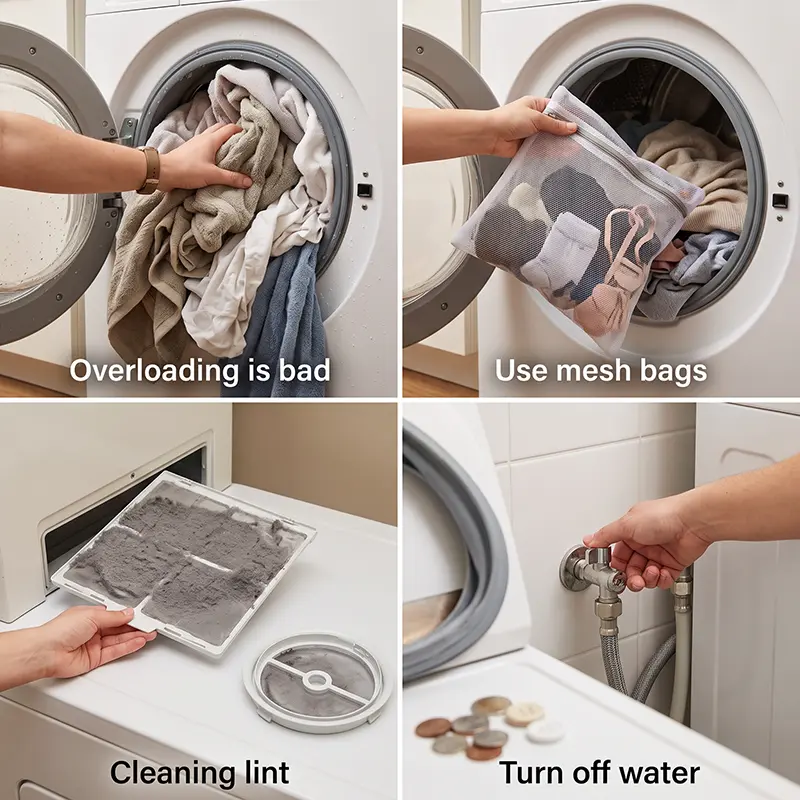
Overloading the washing machine puts severe strain on mechanical components and leads to water leaks. Place small items like socks, thin ties, or clothing with loose buttons inside zippered mesh garment bags so they do not slide into the drainage pump. Use the recommended detergent amount to avoid excess suds buildup that damages the machine. Always clean out the dryer’s primary lint tray after every load, clear secondary ceiling lint traps monthly to eliminate fire hazards, and keep the rubber door lining clear of debris to prevent mold growth. When away for extended periods, turn off the water shut-off valve on the wall beside the machine to prevent flooding.
8. Unattended Appliance Precautions
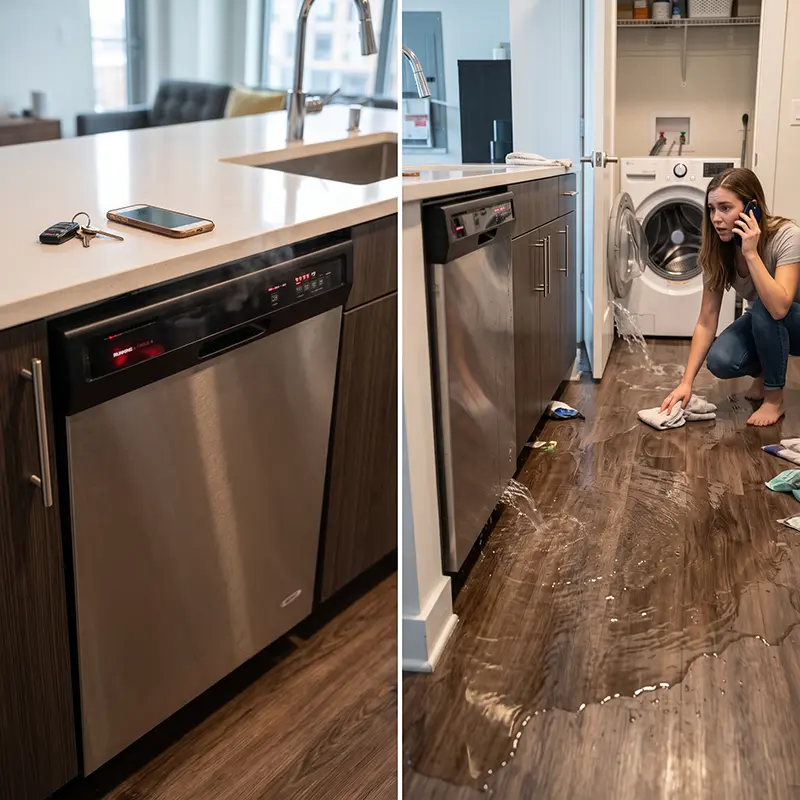
Never leave running appliances—especially washing machines and dishwashers—unattended while you leave the home. Malfunctions can occur rapidly and lead to major leaks. Being at home while appliances are operating allows you to spot issues immediately and contact building management or concierge right away to minimize water damage.
9. Protecting Laminate Floors from Moisture
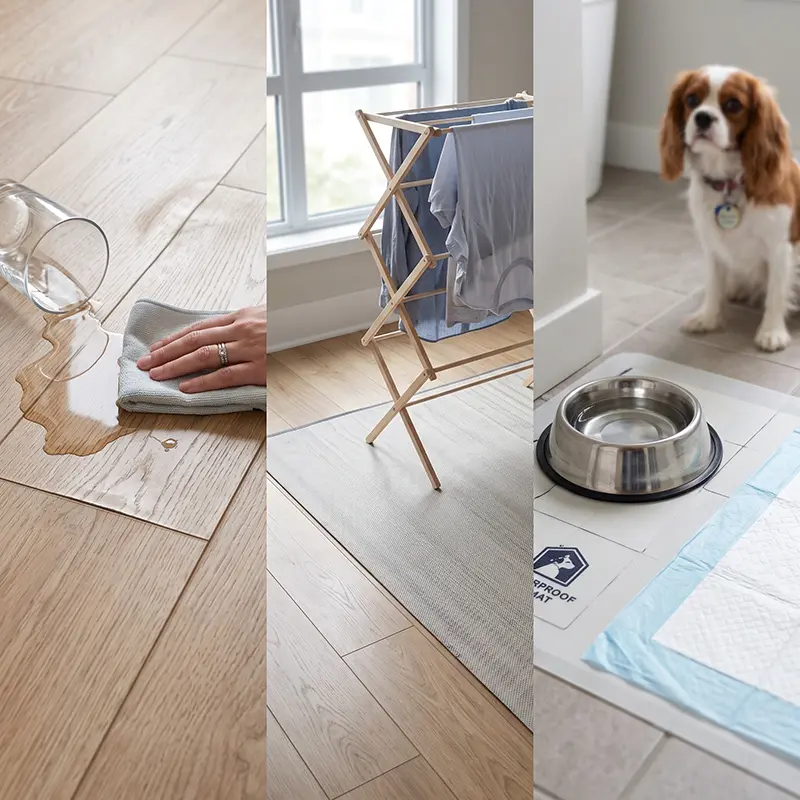
Laminate and engineered wood floors swell and buckle rapidly when liquids sit on them. Clean up spilled water right away and avoid setting wet clothes drying racks directly on unprotected laminate. If you have pets, notify management promptly to complete condo registration, and ensure water bowls and pee pads are placed on tiled flooring or over waterproof protective mats.
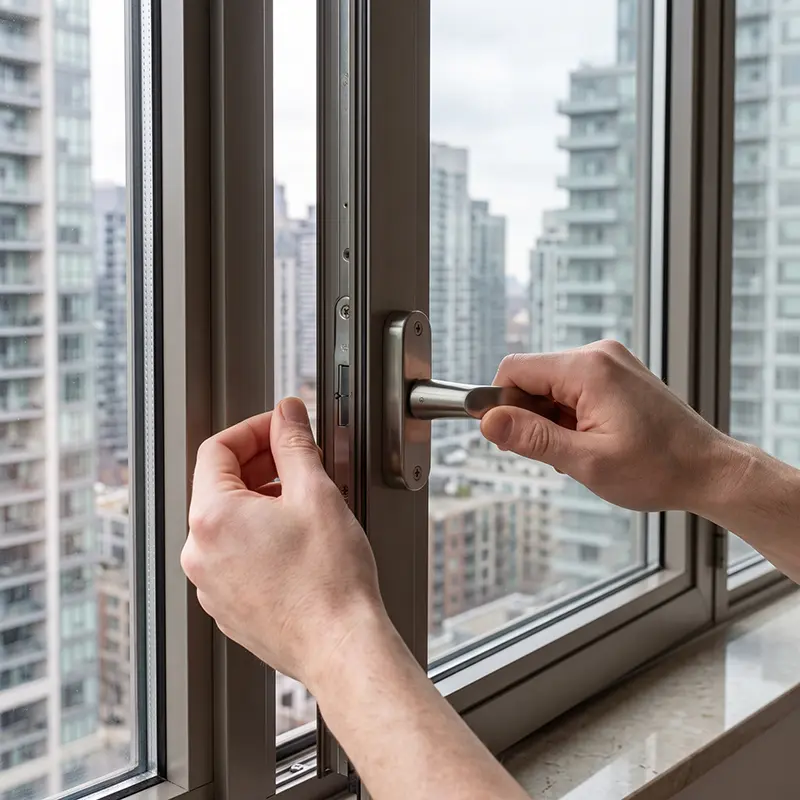
10. Window Locks, Handles, and Window Coverings
If your suite has crank-open windows, check that the lateral side safety latches are fully flipped to the open position before turning the handle. Forcing a window crank handle while the lock is engaged snaps the internal gears. Additionally, never replace or discard damaged or fallen window blinds, as original hardware must be preserved for proper restoration.
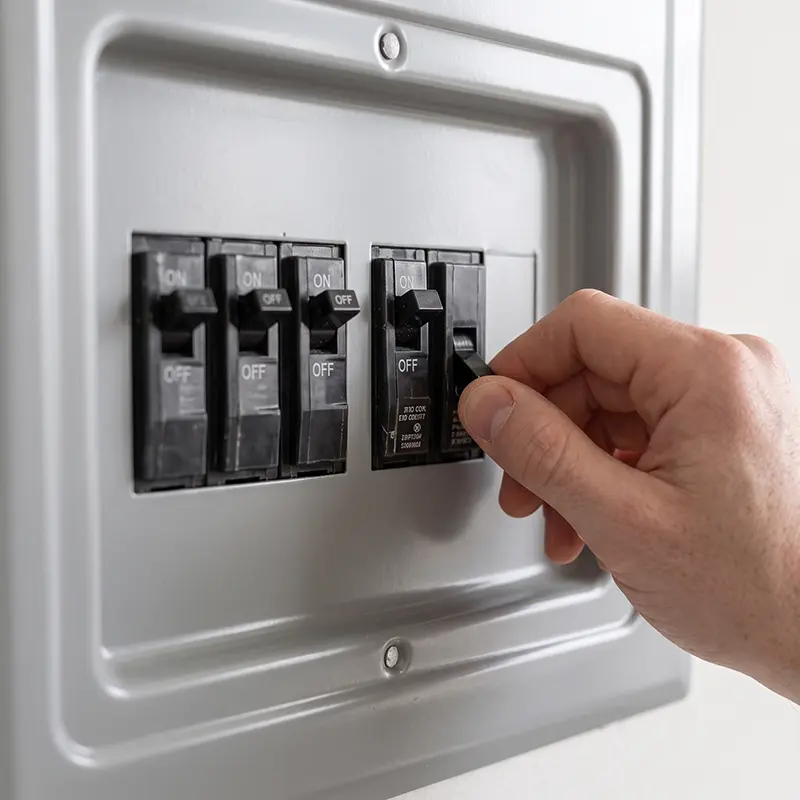
11. Appliance Troubleshooting Guidelines
Before requesting a professional technician visit, attempt basic user troubleshooting—such as checking if the unit is plugged in, running an empty cycle, or turning the power switch off and on. Always use good judgment to avoid causing further damage. If a certified contractor visits and confirms the appliance is in good working order without any defect, the service call fee is charged back to the resident. If an appliance issue involves a safety hazard, refrain from using it and report it immediately.
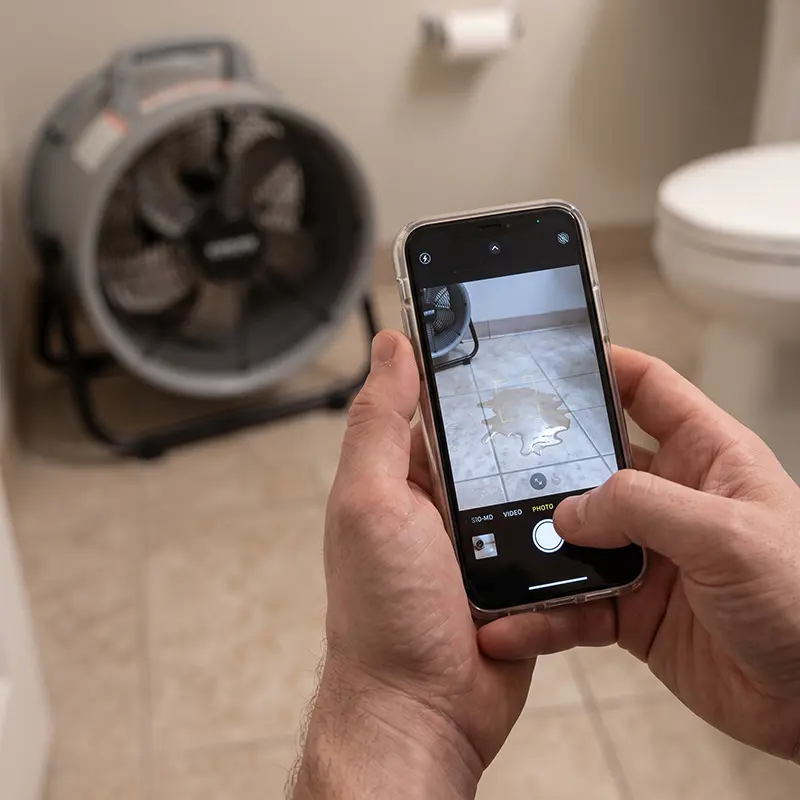
12. Knowing What to Do During Water Emergency Leaks
Water moves fast, so knowing how to react limits structural damage:
- For minor drips: Stop using that sink or toilet immediately and report it right away.
- For major leaks: Locate the main water shut-off valve near the laundry or bathroom wall, turn it off instantly, alert building concierge or management to deploy drying fans, notify property management staff, and take photos for your records.
Townhouse & House Exterior Upkeep
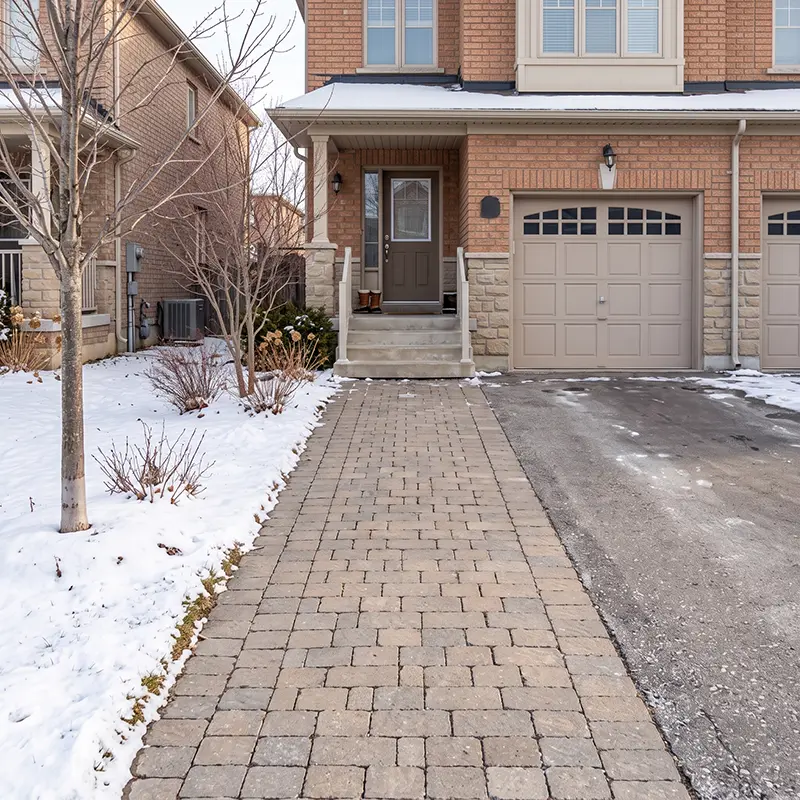
13. Keeping Outdoor Walkways Safe and Clear
If you rent a house or townhome with a private driveway or yard, keep pathways clear of clutter and yard debris. During Ontario winter months, clear ice and snow off private front walkways and driveways to maintain safe walking conditions for visitors.
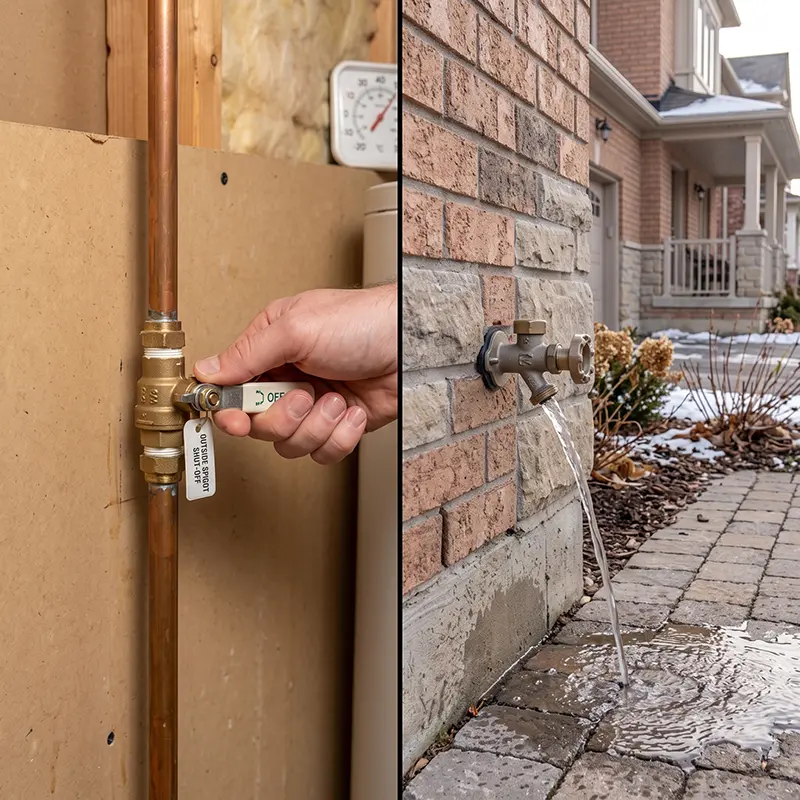
14. Draining Outdoor Water Outlet Before Winter
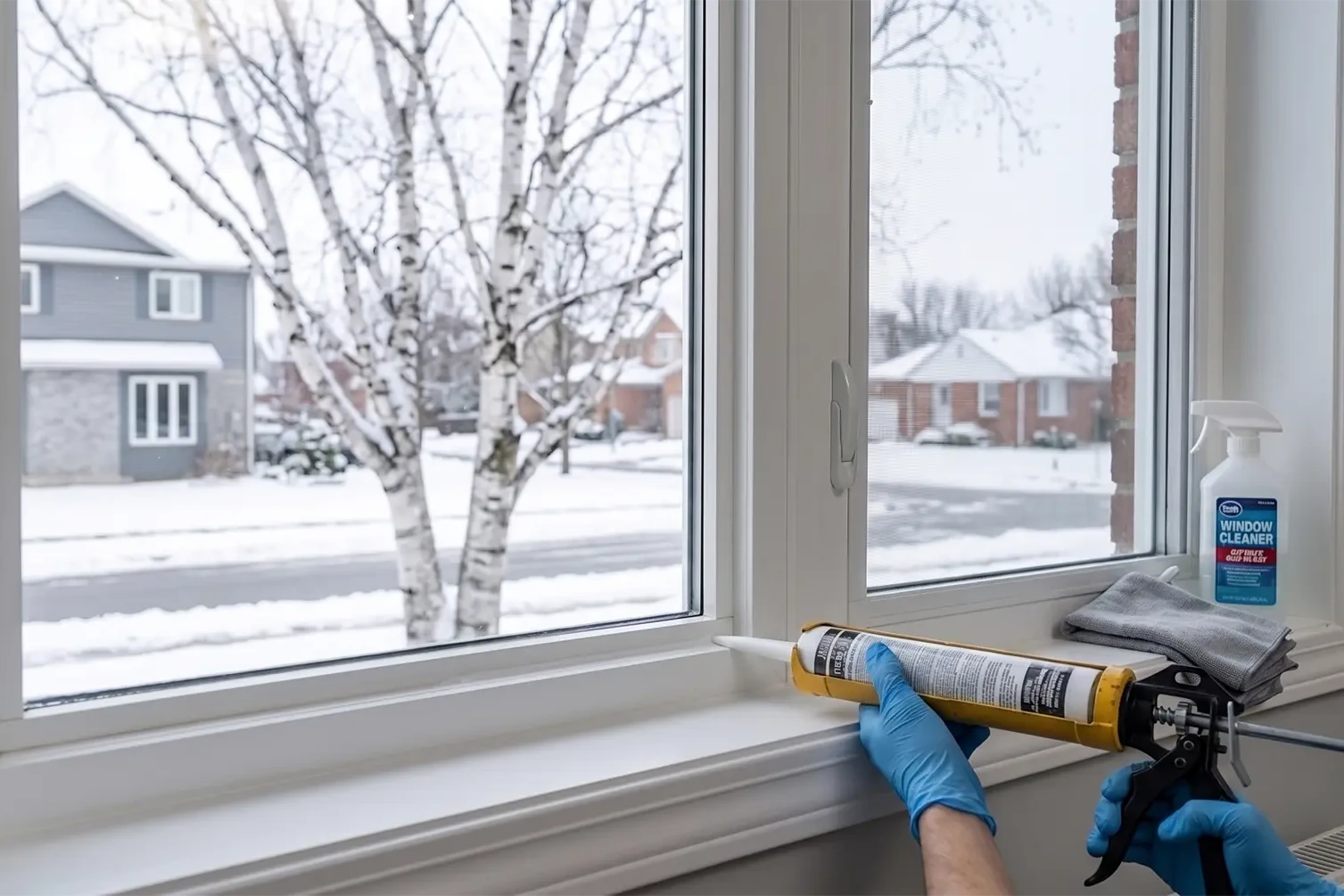
Occupants in free-standing residential houses must shut off the interior water isolation valve connected to outside garden hoses before the first winter freeze. Open the outdoor spigot to drain remaining water so pipes inside the walls do not freeze and burst.
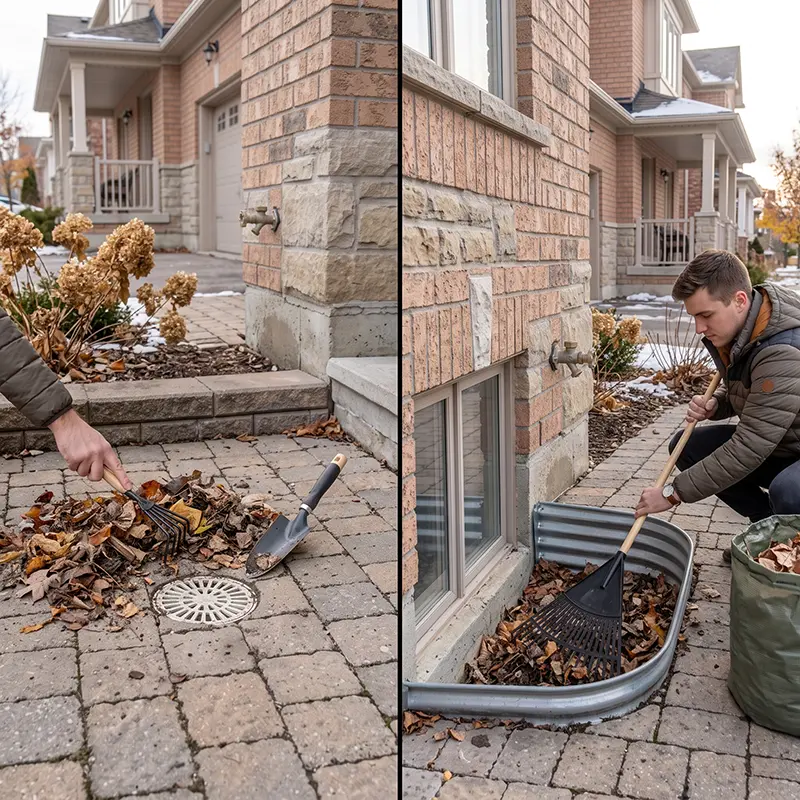
15. Keeping Basement Window Wells and Drains Free of Leaves
Rake fallen leaves and clear dirt away from ground-level patio drains, basement window wells, and outdoor grates. Keeping drainage paths clear allows heavy rainfall to flow safely away from the building envelope.
What Is a Service Chargeback?
A service “chargeback” happens when a service call or repair expense is billed directly to the occupant because the issue resulted from negligence or improper daily use rather than standard wear and tear.

Reclaim Your Time with Xtends Rental Management
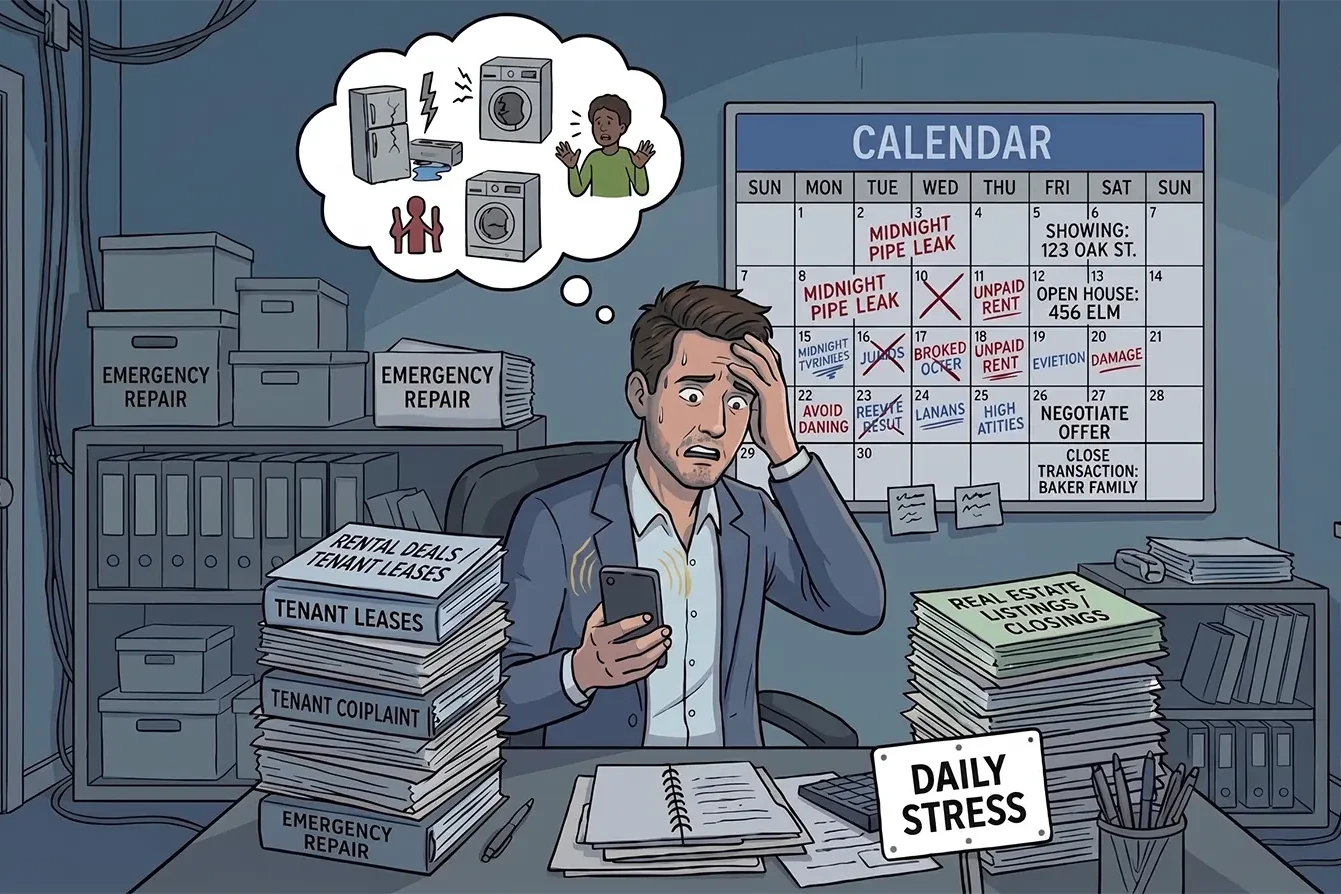
Managing a rental property comes with ongoing responsibilities, from maintenance and tenant requests to rent collection and building management matters. Xtends Rental Management Inc. helps landlords handle these day-to-day operations, including maintenance coordination, move-in inspections, CRA non-resident tax remittances, and financial reporting — giving property owners more time to focus on their investment and enjoy life.
Final Thoughts

Following these key maintenance rules helps residents prevent unnecessary repair costs, avoid service chargebacks, and maintain a comfortable, worry-free living environment. For landlords, having structured operational guidelines and professional management in place ensures your physical asset remains protected year after year.
Ready to step back from the daily headaches of DIY landlord management and enjoy true peace of mind? Let Xtends handle all ongoing tenant communications, maintenance coordination, and property administration. Contact Xtends Rental Management Inc. today to discover how easy professional management can be!
Insights
Insights is Xtends’ resource hub for rental management tips, Toronto and Ontario market updates, and practical property guidance. We share insights on neighborhood trends, leasing strategies, landlord responsibilities, and condo, apartment, and house maintenance best practices. Designed for landlords and realtors in the Greater Toronto Area, our articles deliver timely information to support compliance, protect property value, and maximize long-term real estate returns.