

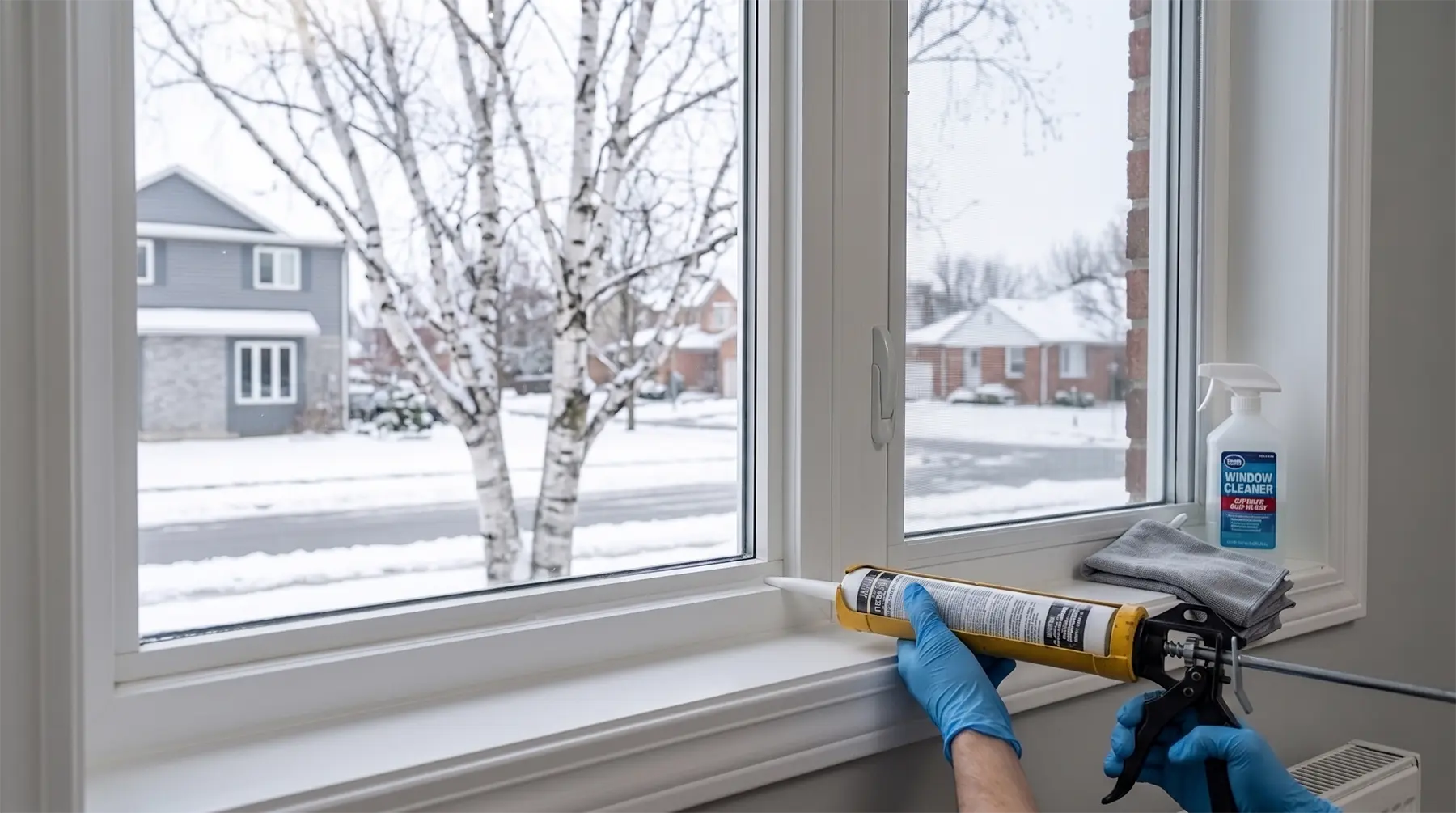
How to Caulk Windows to Stop Winter Mold and Drafts
Finding black spots around your window frames during the coldest months is a common but frustrating problem for many homeowners. If you want to protect your home’s air quality, learning how to caulk windows is the first line of defense against moisture and spores. This guide will walk you through why mold appears in winter and how a fresh seal can save your sills.
Why Your Bathroom Needs Better Airflow
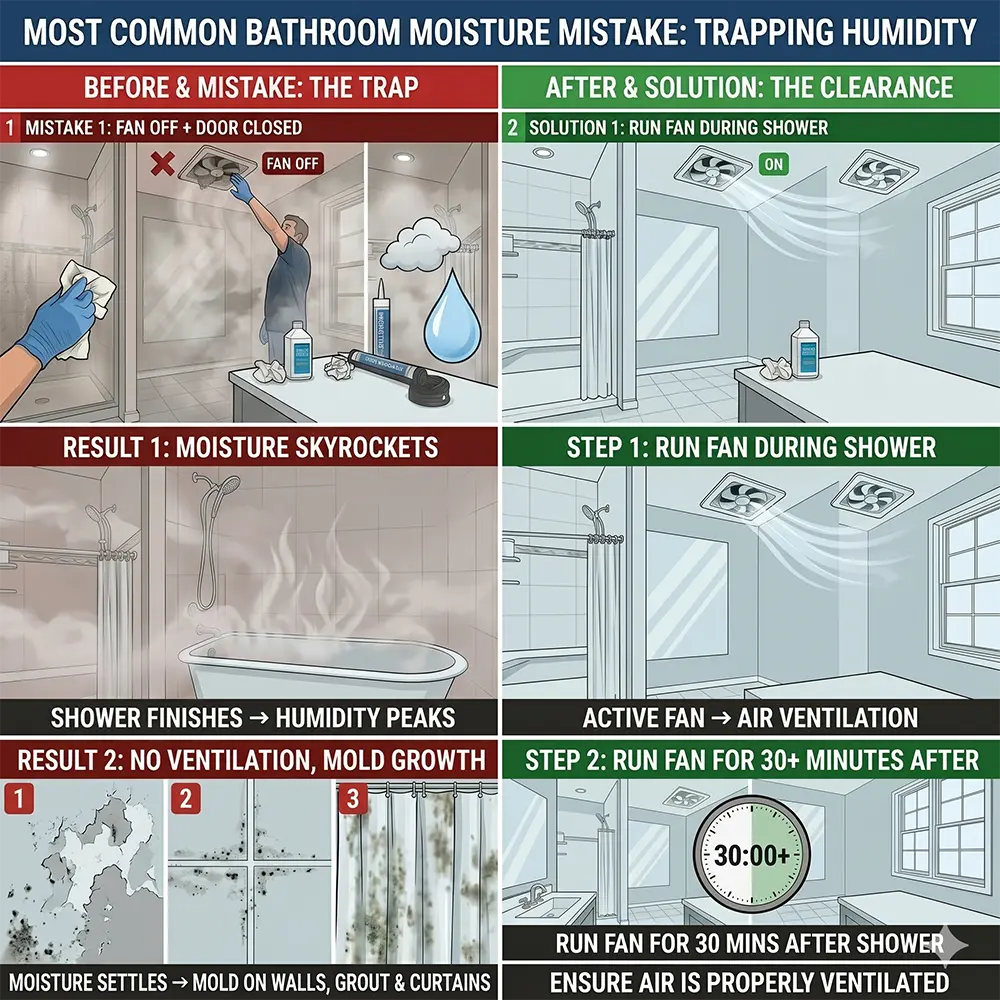
The most common mistake homeowners make is trapping moisture inside the bathroom. After you finish showering, humidity levels skyrocket. If the door is closed and the fan is off, that moisture has nowhere to go but onto your walls, grout, and shower curtains. Always run your exhaust fan during your shower and for at least 30 minutes afterward to ensure the air is properly ventilated.
Why Mold Appears During Winter
Mold thrives on moisture, and windows are the primary site for “thermal bridging.” When warm, humid indoor air hits the cold glass surface, it creates condensation.
- Failed Seals: If your old caulk is cracked, cold air leaks in, making the frame even colder and increasing condensation.
- Trapped Moisture: Water pools in the gaps of the window frame, providing a perfect breeding ground for mold spores.
- Poor Ventilation: Without a tight seal and proper airflow, dampness lingers long enough to cause structural damage.
Step-by-Step: How to Caulk Your Windows
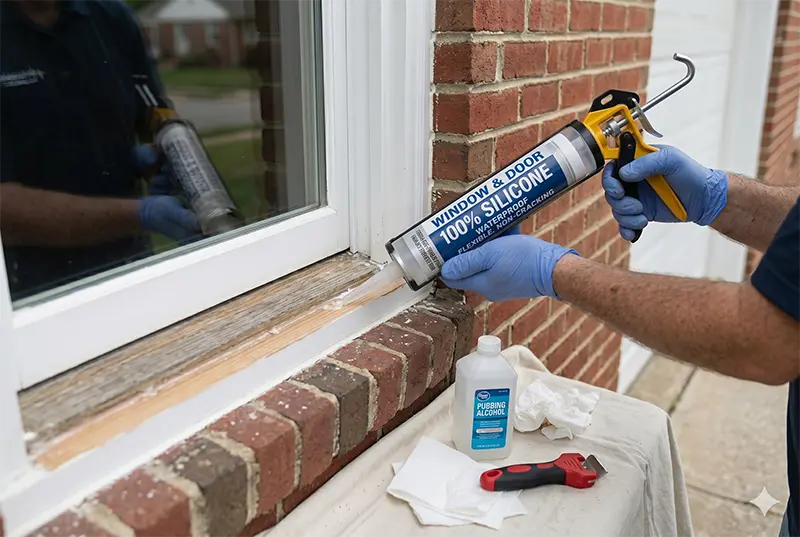
To get a professional-grade finish that lasts, follow these steps:
1. Remove Old Caulk and Clean
You cannot layer new caulk over old, peeling material. Use a putty knife or a specialized caulk remover tool to strip the old sealant. Wipe the area with rubbing alcohol or a bleach solution to kill any existing mold spores before proceeding.
2. Choose the Right Sealant
For windows, a high-quality 100% silicone or “siliconized” acrylic latex caulk is best. Silicone is moisture-resistant and won’t shrink or crack in freezing temperatures.
3. Apply a Continuous Bead
Hold the caulk gun at a 45-degree angle. Apply steady pressure to create a continuous bead along the gap where the frame meets the wall or the glass.
4. Tooling the Joint
Use a damp finger or a caulking tool to smooth the bead immediately after applying. This ensures the sealant is pressed firmly into the gap for an airtight finish.
✨ Expert Tips and Prevention
- Check the Temperature: Most caulks require temperatures above 40°F (4°C) to cure properly. If it’s freezing outside, focus on the interior seal first.
- Manage Indoor Humidity: Keep your home’s humidity between 30% and 50% to reduce the amount of water that collects on the glass.
- Wipe Daily: During extreme cold snaps, wipe away visible condensation each morning to prevent mold from gaining a foothold.
Final Thoughts: Consistency is Key
Taking the time to properly seal your windows doesn’t just stop mold—it also lowers your heating bills and makes your home more comfortable. By addressing the root cause of moisture, you ensure a healthier environment for your family all winter long.


2026 Census Guide: Why Every Canadian Resident Must Participate
The 2026 Census of Population is officially underway across Canada. Since collection began on May 4, 2026, households have been receiving invitation letters to complete this vital national survey. The census is more than just a head count; it is a legal requirement that provides the “ground truth” used by governments to plan your community’s future for the next decade.
Important Deadlines: Census Day is May 12
The official reference date for the census is Tuesday, May 12, 2026.
- The Due Date: You should aim to complete your questionnaire by May 12.
- Past the Deadline: If you miss this date, Statistics Canada will send reminder letters. If you continue to delay, census employees (enumerators) will visit your home in person to assist you in completing the form.
- Legal Consequences: Under the Statistics Act, participation is mandatory. Refusing to complete the census or providing false information can lead to a fine of up to $500.
Who is Eligible to Participate?

The census is a count of everyone living in Canada, not just citizens. You are legally required to be included if you are:
- Canadian Citizens and Permanent Residents: Living in Canada or temporarily abroad.
- Temporary Residents: International students on a study permit or workers on a work permit.
- Asylum Seekers: Anyone claiming refugee status and their family members.
- Roommates and New Babies: Everyone living at your address on May 12—including babies born on or before that day—must be listed.
How the Government Plans Your Future Using Census Data
The data collected in the 2026 Census of Population dictates how billions of dollars are spent. Here is what the government does with your information:
✨ 1. Healthcare and Education
Provinces use census counts to decide where to build new hospitals and specialized clinics. School boards use the data to track “youth surges,” ensuring new schools and daycares are built in growing neighborhoods.
✨ 2. Infrastructure and Transit
Planners analyze “commuting to work” data to design more efficient highway interchanges and public transit routes (like new bus lanes or subway expansions) that reflect where people actually live and work in 2026.
✨ 3. Federal Transfer Payments
Billions of dollars are transferred from the federal government to provinces and territories for social services. These payments are calculated per capita, meaning if your community is undercounted, it literally loses out on its “fair share” of funding for the next five years.
✨ 4. Housing and Homelessness
For 2026, enhanced questions on housing and homelessness will help the government allocate targeted funding for affordable housing projects and emergency shelters to support those with the greatest needs.
Final Thoughts
By participating in the 2026 Census, you are ensuring that your neighborhood has the resources it needs to thrive. It only takes 10 minutes to help shape the next five years of Canadian life.
Complete your questionnaire online now at census.gc.ca using the 16-digit code in your invitation letter.

Rental Management vs. Property Management: What’s the Difference?
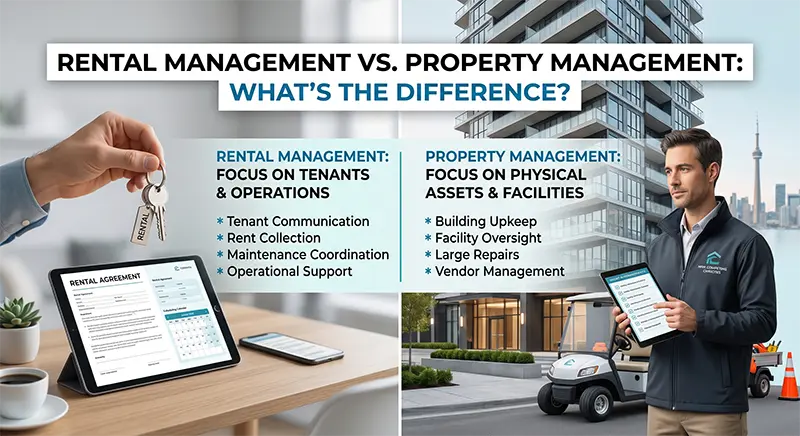
For many real estate investors, the terms “property management” and “rental management” are often used interchangeably. However, they offer very different levels of support. Rental management vs. property management: what’s the difference? Knowing the answer is vital for any landlord in the competitive Toronto market. While a general property manager might juggle a broad range of facility tasks, a dedicated rental management firm—like Xtends—acts as a specialized, operational extension of your team. By focusing exclusively on the tenant lifecycle and backend operations, we provide a service model that protects your interests without interfering with your existing realtor relationships.
What is Property Management?

Traditionally, property management covers the broadest scope of building oversight. This often includes physical maintenance, facility management, and in some cases, brokerage services. In many firms, property managers are also licensed real estate agents, which can lead to conflicts of interest if you are already working with a trusted realtor for your leasing or sales needs.
The Specialized Scope of Rental Management
Rental management is a “niche-focused” service. At Xtends, we strip away the distraction of buying and selling to focus entirely on the tenant experience and the landlord’s financial peace of mind. We act as the professional bridge between you, your tenant, and your realtor.
Why Realtors Prefer Rental Management
One of the biggest concerns for realtors is losing their investor clients to property management firms that also act as listing agencies. This is why our model is different. Xtends has a strict non-compete policy: we do not have in-house realtors. We support your existing realtor, ensuring they remain the point of contact for future listings while we handle the heavy lifting of daily operations.
Summary of Operations: How We Work
To help you understand our boundaries and our dedication to your success, here is how we separate our specialized rental services from traditional real estate brokerage:
| Feature | What We DO (Rental Management) | What We DON’T Do (Non-Compete) |
|---|---|---|
| Leasing & Sales | Coordinate with the landlord’s preferred realtor for all listings. | We DO NOT list properties for lease or sale. No in-house realtors. |
| Tenant Relations | Manage all daily communications, disputes, and maintenance requests. | We DO NOT ignore tenant concerns. |
| Realtor Relationship | Provide backend support and keep realtors informed. | We DO NOT take clients. |
| Financials | Handle rent collection and tax remittances (NR4/NR6). | We DO NOT provide vague reporting. |
| Maintenance | Source and manage contractors for repairs. | We DO NOT approve overpriced work. |
Final Thoughts
Whether you are a landlord looking to stay hands-off or a realtor wanting to scale your business without getting bogged down in tenant disputes, choosing the right partner is essential. Rental management provides the specialized, focused support that protects your investments and maintains your professional boundaries.
Ready to streamline your rental operations? Contact Xtends today to learn how we can support your investment goals without conflict.
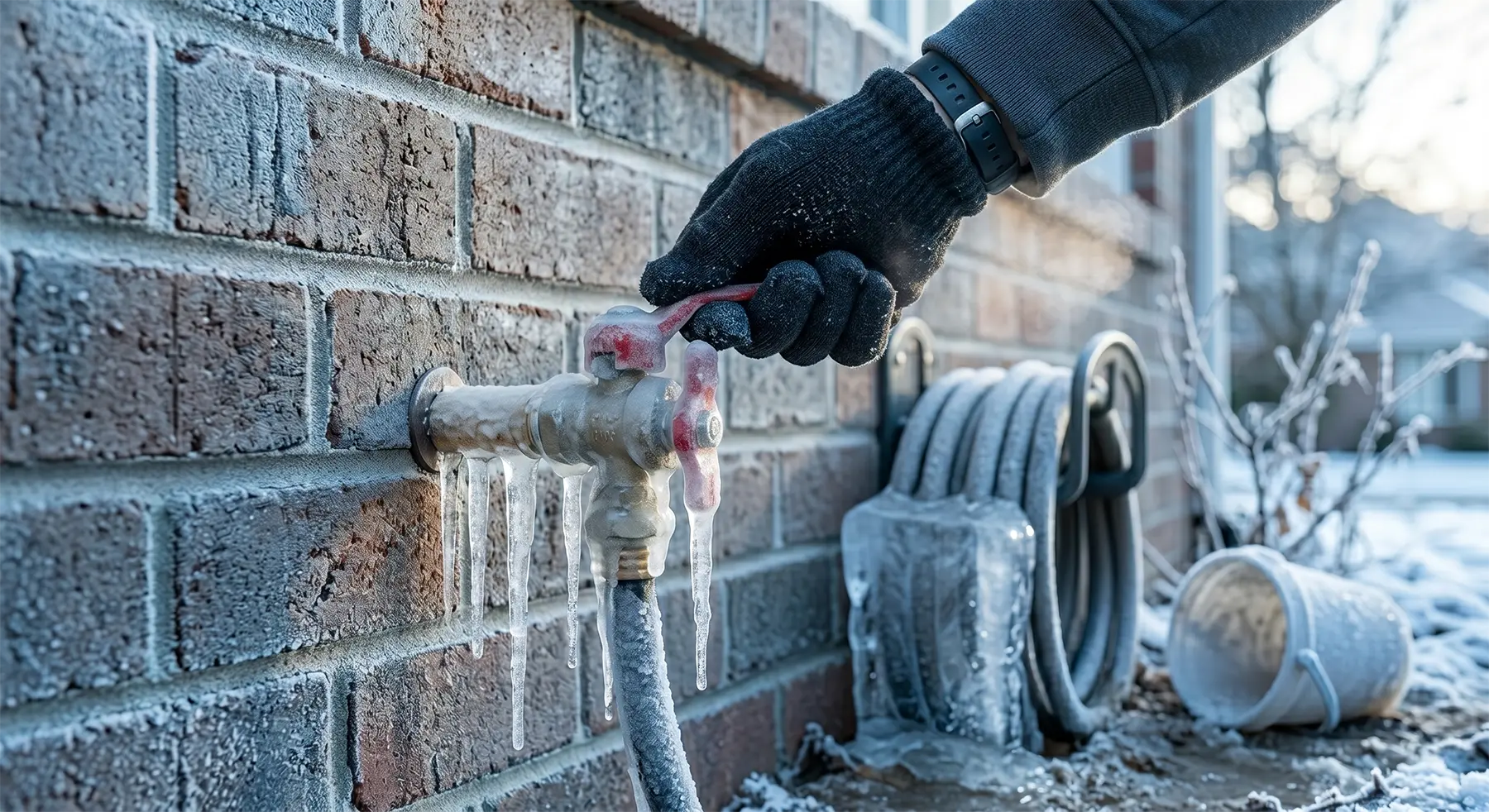
When to Turn Off & On Outside Water in the Toronto GTA
Living in the Greater Toronto Area means preparing for unpredictable temperature swings. To protect your home from expensive damage, the most important task on your seasonal checklist is knowing exactly when to turn off and on outside water. If water is left in your exterior pipes during a freeze, it will expand, leading to cracked pipes and indoor flooding. This guide provides the 2026 timeline and steps for Toronto homeowners to manage their water lines safely.
The Cost of Forgetting: Why It’s Troublesome
Many homeowners treat the outdoor water shut-off as an optional chore, but in the GTA, ignoring this task usually leads to serious trouble:
- The “Ice Plug” Burst: Water expands by about 9% when it freezes. If that water is trapped in a copper pipe inside your wall, the pressure will split the metal open.
- The Hidden Flood: You might not notice a burst in January because the water is frozen. The real disaster happens during the first spring thaw; as the ice melts, water pours directly into your basement or behind your drywall.
- Seized Fixtures: Leaving a hose attached or water in the line can seize the internal stems of your faucet, requiring a full (and expensive) replacement in the spring.
Fall: When to Turn Off Outside Water
In the GTA, the first “hard freeze” usually arrives by early November.
- The Target Date: Aim to have your water off by mid-October.
- The Step-by-Step: 1. Close the indoor valve.
2. Open the outside faucet to drain.
3. The Bleeder Trick: Open the tiny cap on the indoor valve to drain trapped water.
4. No Bleeder? If your valve lacks this, insulate the indoor pipe and use a foam faucet cover outside.
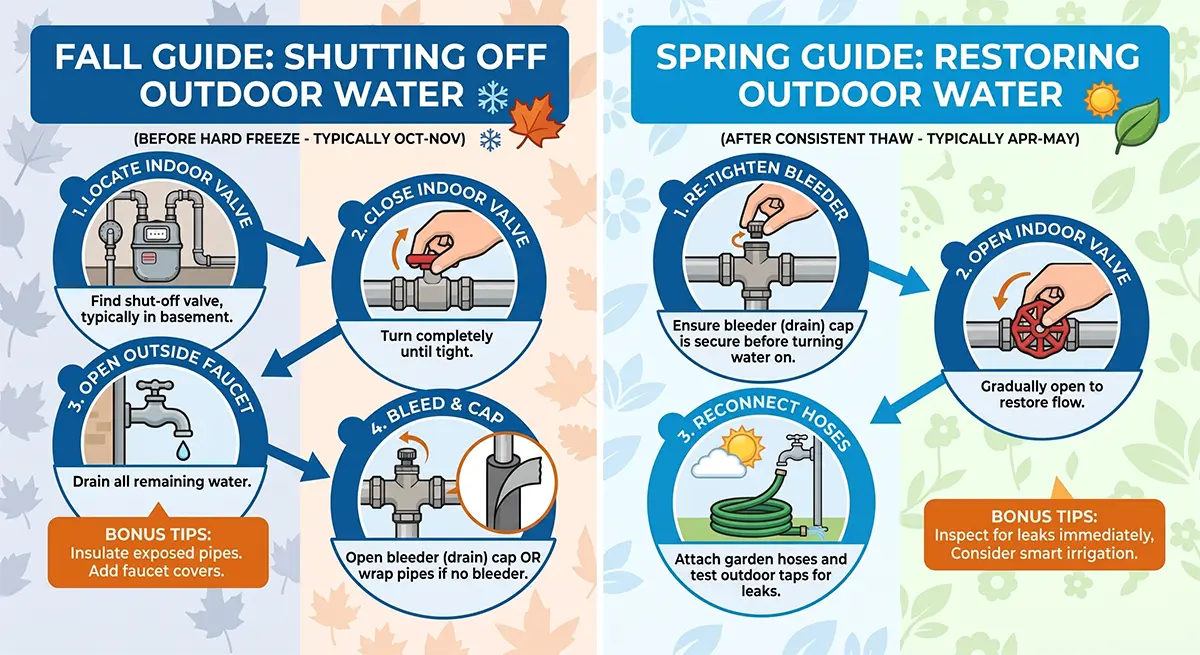
Spring: When to Turn Outside Water Back On
Don’t rush the spring start-up; a late-season frost can still cause damage.
- The Target Date: Wait until overnight temperatures are consistently 0°C for a full week—usually late April or early May.
- The Re-activation: Tighten the bleeder cap, slowly open the indoor valve, and inspect for leaks immediately.
Tricks, Tips, and Bonus Hacks
The Hose Rule: Never leave a garden hose attached in winter, even on “frost-free” taps.
- Label Your Valves: Use a bright tag on your indoor shut-off so you aren’t guessing in an emergency.
- Air Compressor Bonus: If you have an irrigation system, ensure you blow out the lines with compressed air in addition to the manual shut-off.
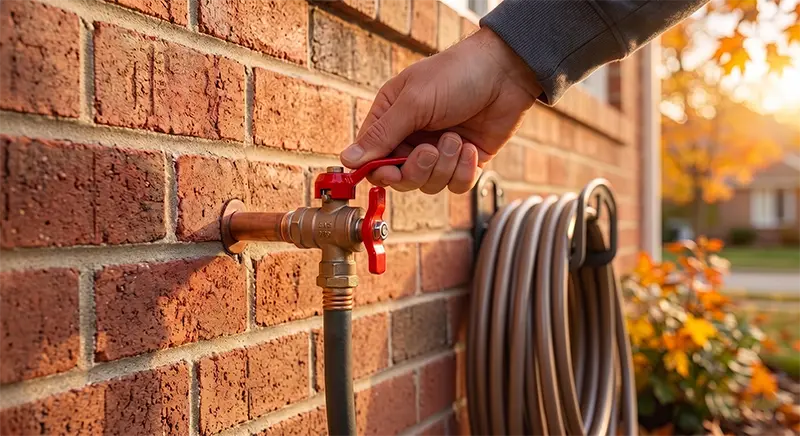
Final Thoughts: Consistency is Key
Taking ten minutes to properly turn off and on outside water in the Toronto GTA is the best insurance policy for your home. Follow this schedule to keep your plumbing safe year-round.
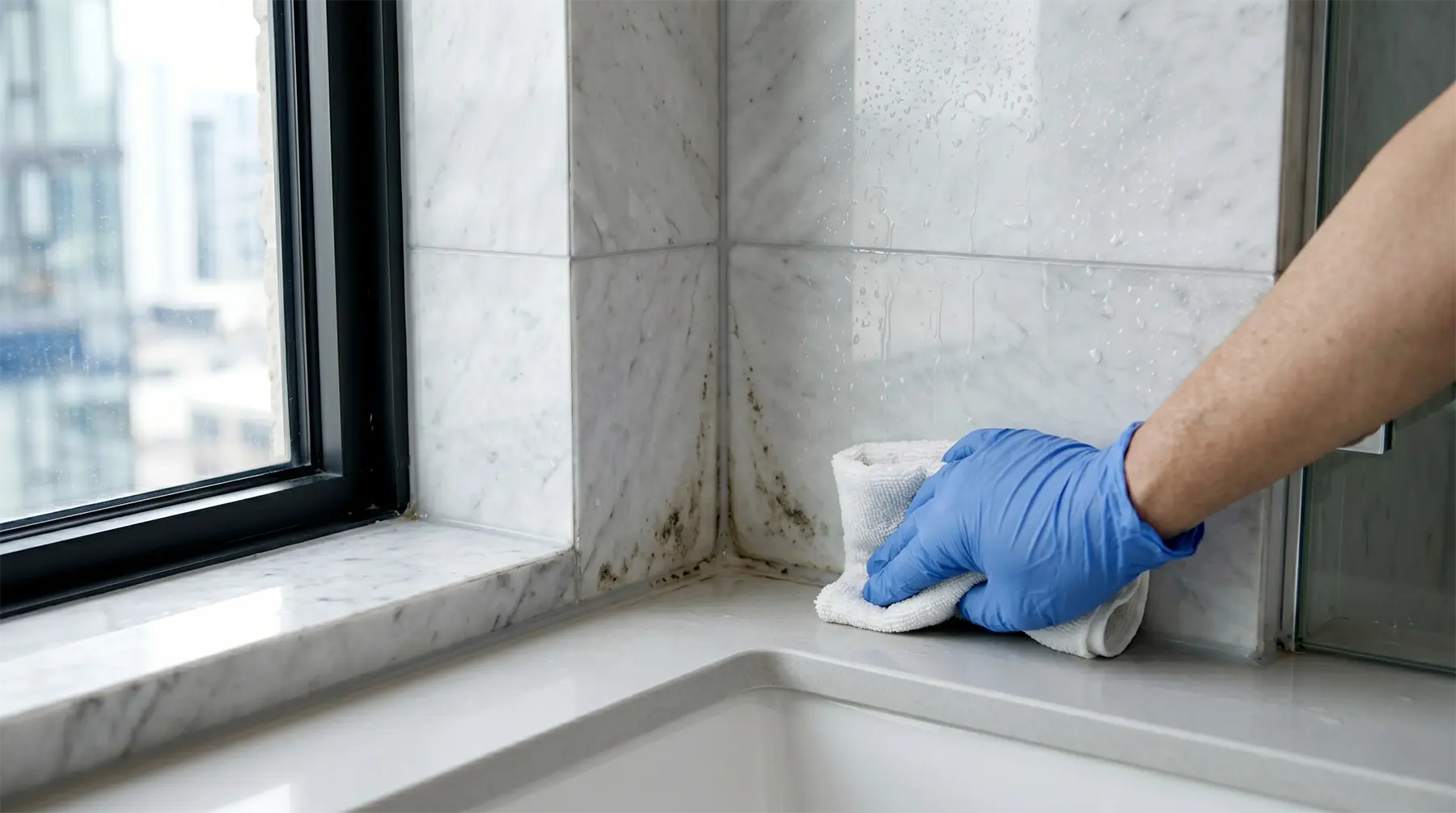
How to Easily Prevent Shower Mold With Daily Habits
Are you tired of scrubbing away stubborn black spots? Learn how to prevent shower mold before it ever takes root.
Mold thrives in warm, damp environments, making your shower its favorite place to grow. While deep cleaning is necessary, the secret to a pristine bathroom lies in what you do every single day the moment you step out of the shower. By implementing a few minor adjustments to your routine, you can stop mold growth in its tracks and spend less time cleaning in the long run.
Why Your Bathroom Needs Better Airflow
The most common mistake homeowners make is trapping moisture inside the bathroom. After you finish showering, humidity levels skyrocket. If the door is closed and the fan is off, that moisture has nowhere to go but onto your walls, grout, and shower curtains. Always run your exhaust fan during your shower and for at least 30 minutes afterward to ensure the air is properly ventilated.
The Two-Minute Daily Prevention Routine
You don’t need harsh chemicals to keep mold away. A simple, consistent routine is significantly more effective than occasional deep scrubbing.

1. Master the Squeegee
Keep a squeegee inside the shower and use it on walls and glass doors after every use. Removing standing water eliminates the primary food source for mold spores.

2. Manage Your Shower Curtain
If you use a curtain, pull it completely taut after showering. Bunching it up creates folds where water lingers, providing the perfect breeding ground for mildew.

3. Let it Breathe
Always leave the shower door or curtain open once you are finished. This promotes airflow, allowing the interior of the shower stall to dry much faster.
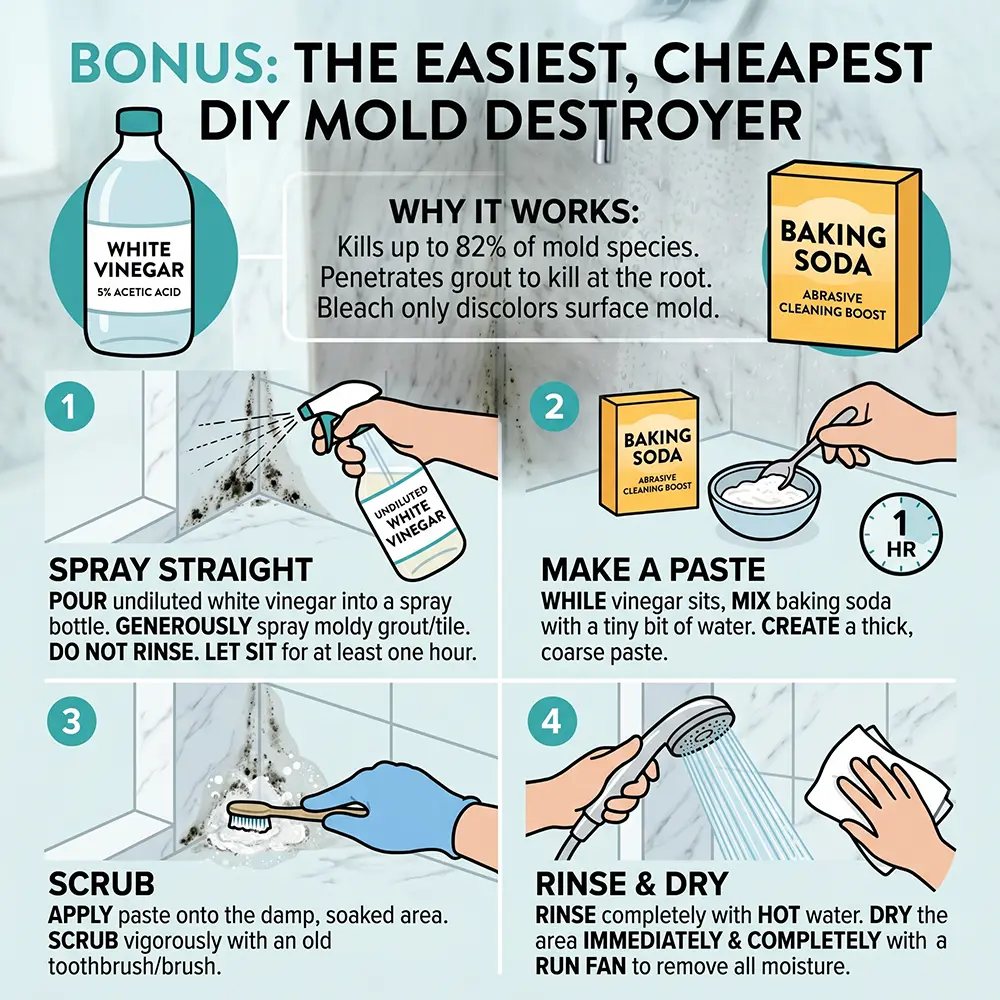
✨ Bonus: The Easiest, Cheapest DIY Mold Destroyer
If you caught the mold early and don’t want to buy specialized chemicals, you can make a highly effective mold destroyer with two simple ingredients you likely already have in your kitchen: White Vinegar and Baking Soda.
Why It Works: Straight white vinegar contains acetic acid, which is known to kill up to 82% of mold species. While many people use bleach, bleach often only discolors the surface mold on porous grout, whereas vinegar can penetrate to kill it at the root. Baking soda adds an abrasive scrubbing element and a cleaning boost.
How to Use It:
- Spray Straight: Pour straight, undiluted white vinegar into a spray bottle. Generously spray the moldy grout and tile. Do not rinse it off. Let it sit for at least one hour to allow the acetic acid to work.
- Make a Paste: While the vinegar sits, mix baking soda with a tiny bit of water to create a thick, coarse paste.
- Scrub: After the hour is up, apply the baking soda paste directly onto the damp, vinegar-soaked moldy areas. Use an old toothbrush or a stiff grout brush to scrub vigorously. The combination will fizz slightly, helping to lift the mold.
- Rinse & Dry: Rinse the area completely with hot water. Most importantly, follow the rules of the main post: dry the area immediately and completely with a towel and run your fan to remove all remaining moisture.
Final Thoughts: Consistency is Key
Preventing mold is far easier than removing it. By improving your ventilation and committing to a two-minute post-shower dry-down, you can maintain a cleaner, healthier bathroom environment without the need for aggressive scrubbing. Start these habits today to see a noticeable difference in your shower’s cleanliness.
Ready for a cleaner bathroom? Start by installing a high-quality squeegee in your shower today and commit to leaving your fan on for 30 minutes after your next shower!

Why Check Smoke Alarms When Daylight Saving Time Begins?
When Daylight Saving Time begins, most people simply remember to move their clocks forward. But have you ever wondered why fire departments recommend checking smoke alarms during this time change?
In 2026, Daylight Saving Time begins at 2:00 a.m. on Sunday, March 8, when clocks move forward by one hour. Across North America, fire safety organizations use this moment as a simple reminder for households to test smoke alarms and replace batteries if needed.
For homeowners, tenants, and landlords in Toronto, this habit is especially important because smoke alarms are required by law under the Ontario Fire Code.
Why Is Daylight Saving Time Linked to Smoke Alarm Checks

The reason smoke alarm checks are linked to Daylight Saving Time is simple: the clock change happens twice every year and is easy to remember.
Safety organizations realized that many people forget to test their smoke alarms regularly. By tying this safety habit to a widely known event like the clock change, households have a convenient reminder to perform basic maintenance.
Using the Daylight Saving Time change as a reminder helps people remember to:
- Test every smoke alarm in the home
- Replace batteries if necessary
- Check that alarms are installed in the proper locations
- Confirm alarms are not expired
Because this reminder happens every spring and fall, it creates a routine that significantly improves home safety.
Why Smoke Alarm Checks Are So Important
Smoke alarms are one of the most important safety devices in any home. They provide early warning when smoke is detected, allowing occupants time to escape during a fire.
Many residential fires occur late at night when people are sleeping. Without a working smoke alarm, occupants may not wake up until it is too late.
Organizations such as Toronto Fire Services consistently emphasize that working smoke alarms greatly increase the chances of surviving a house fire.
Regular testing ensures that the alarm will work when it is truly needed.
Smoke Alarm Requirements in Toronto
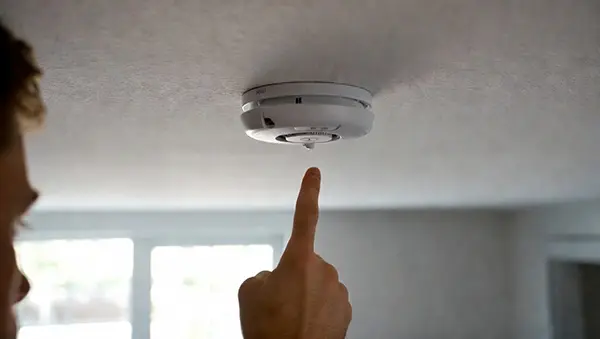
According to the City of Toronto, every home in Ontario must have:
- A working smoke alarm on every level of the home
- A smoke alarm outside all sleeping areas
- Properly installed alarms that remain operational at all times
These rules apply to all residential property types, including:
- Detached homes
- Semi-detached houses
- Townhouses
- Condominium units
- Rental properties
Residents can review the official guidance here
Responsibilities for Landlords and Tenants
Under the Ontario Fire Code, both landlords and tenants have roles in maintaining smoke alarm safety.
Landlord Responsibilities
Landlords must:
- Install smoke alarms in required locations
- Ensure alarms remain in working condition
- Maintain electrical or battery power sources
- Provide maintenance instructions to tenants
Failure to comply with these requirements can result in significant penalties, including fines of up to $50,000.
Tenant Responsibilities
Tenants must:
- Not remove or disable smoke alarms
- Notify the landlord if an alarm stops working
- Report issues such as low batteries or malfunctioning alarms
Maintaining communication between landlords and tenants ensures alarms continue to function properly.
What You Should Do When Daylight Saving Time Begins
When Daylight Saving Time starts at 2:00 a.m. on Sunday, March 8, 2026, take a few minutes to perform these quick checks:
- Press the test button on every smoke alarm
- Replace batteries if the alarm chirps or sounds weak
- Confirm alarms are installed on every level of the home
- Check the manufacturing date and replace alarms older than 10 years
These simple steps only take a few minutes but can make a major difference in household safety.
Final Thoughts
So why should you check smoke alarms when Daylight Saving Time begins?
Because the clock change provides a simple, memorable reminder to maintain one of the most important safety devices in your home. Testing smoke alarms during this seasonal shift helps ensure they will work when a real emergency occurs.
For residents, landlords, and property managers in Toronto, taking a few minutes during the time change can help protect lives and maintain compliance with the Ontario Fire Code.
Resources
- City of Toronto – Smoke Alarms
- Government of Ontario – Fire Safety in the Home
- Ontario Fire Code Regulation (O. Reg. 194/14)
- Toronto Fire Services – Fire Safety Information
- National Fire Protection Association – Smoke Alarm Safety

Top 10 Headaches of Managing Rentals on Your Own
Managing your own rental property can feel rewarding at first. You stay in control, save on management fees, and make decisions directly. But over time, many owners realize self-managing comes with unexpected pressure.
Here are the most common challenges — and what they look like in real life.
1. Late-Night Emergencies
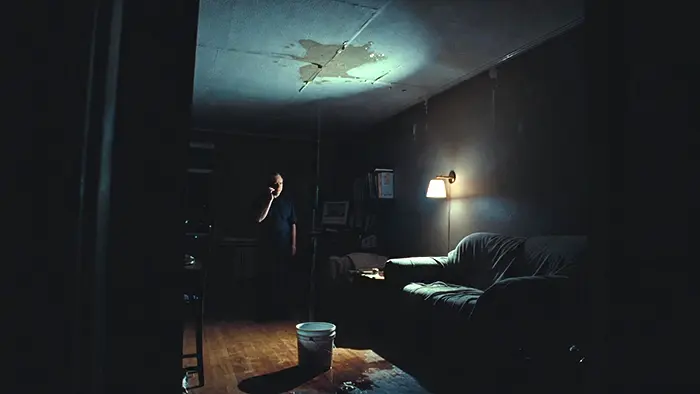
Plumbing leaks, heating failures, and electrical issues rarely happen during business hours.
Scenario:
It’s 11:45 PM. A tenant calls saying water is leaking from the ceiling. You’re out of town and scrambling to find an emergency plumber while worrying about damage spreading overnight.
2. Chasing Rent Payments

Late rent disrupts cash flow and adds stress.
Scenario:
Rent is five days overdue. The tenant says they’ll pay “soon.” Meanwhile, your mortgage payment is approaching, and you’re unsure whether to send a formal notice.
3. Strained Tenant Communication
Professional tenant relations require a neutral buffer to maintain boundaries and peace of mind.
Scenario:
Your tenant sends multiple non-urgent texts throughout your workday or weekend. Without a professional management team to act as the primary point of contact, you feel obligated to respond immediately, blurring the lines between your personal time and your investment.
4. Legal Compliance Confusion
Regulations can change, and mistakes can be costly.
Scenario:
You use an old lease template downloaded online. Later, you discover it doesn’t meet updated local requirements, putting you at risk during a dispute.
5. Maintenance Coordination
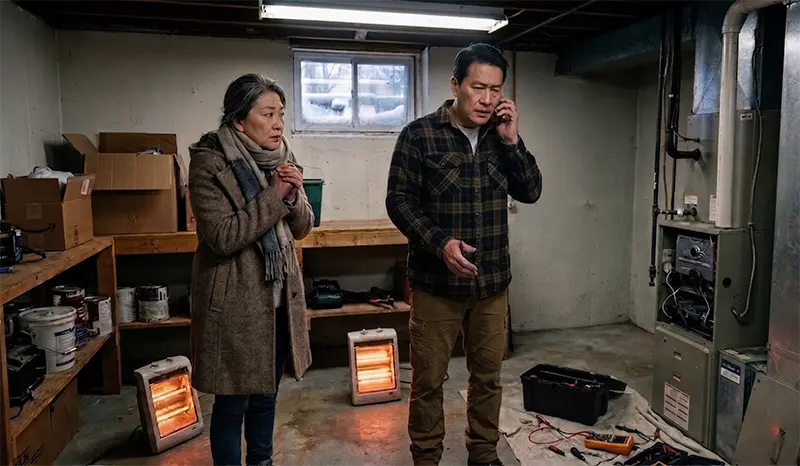
Repairs require time, trust, and follow-up.
Scenario:
The furnace stops working. You call three contractors for quotes while your tenant waits in the cold. The fastest one charges significantly more.
6. Handling Complaints
Tenant relations require patience and neutrality.
Scenario:
Two tenants argue about parking spots. Both insist they’re right. You’re caught in the middle, trying to maintain fairness while protecting your relationship with both.
7. Paperwork Overload

Administrative tasks pile up quickly.
Scenario:
At tax time, you’re searching through emails for invoices, repair receipts, and inspection notes — realizing you didn’t organize them properly throughout the year.
8. Property Inspections
Documentation matters.
Scenario:
A tenant moves out and disputes damage charges. Without detailed inspection photos and signed reports, proving the condition becomes difficult.
9. Daily Rental Operational Overload
The logistics of daily property upkeep can become a full-time job you didn’t ask for.
Scenario:
You spend your Saturday morning coordinating a plumber, a locksmith, and an appliance technician for minor issues. Instead of enjoying your time off, you are acting as a part-time dispatcher, struggling to keep the daily operations of your rental running smoothly.
10. Emotional Burnout
Self-managing blends business with personal time.
Scenario:
You’re on vacation, but still responding to tenant messages. Instead of relaxing, you’re coordinating repairs from your phone.
One More Thing…

11. Managing From Overseas
Living abroad adds another layer of complexity.
Scenario:
You’re 12 hours ahead in a different time zone. A tenant reports a plumbing issue. By the time you respond, contractors are already booked for the day. Delays lead to higher repair costs — and frustration on both sides.
Without trusted local support, distance can magnify small issues into expensive problems.
Need Support — Not Full Property Management?
Managing rentals on your own can feel overwhelming — especially when it comes to compliance, safety requirements, documentation, and property upkeep.
That’s where Xtends supports property owners.
We are not property managers or realtors. Instead, we assist owners with practical, behind-the-scenes services such as:
- Property inspections and safety checks
- Compliance-related support and guidance
- Maintenance coordination assistance
- Documentation and reporting
- Property condition assessments
Our services come at very reasonable fees, providing excellent value compared to the time, stress, and potential costs that self-managing can create. Having reliable support can save you headaches, reduce risks, and help your investment run more smoothly.
✨ Contact us to learn more about how we can support your rental property needs.
Could Your Property Be a Fraud Target?
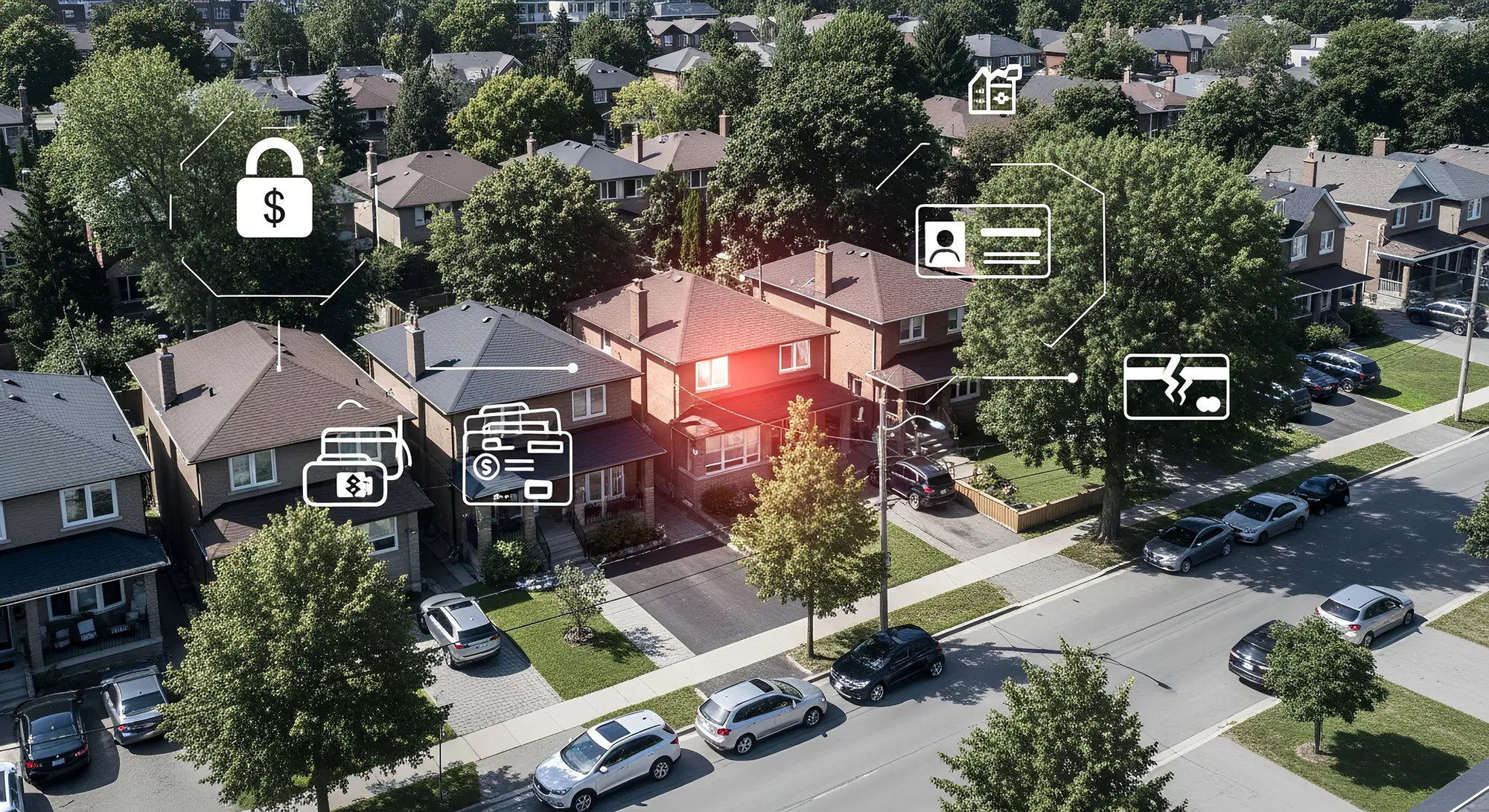
Could your property be a fraud target?
Many property owners in Toronto and across Ontario assume real estate fraud only happens to careless investors or vacant homes. Unfortunately, property fraud has become increasingly sophisticated, and even experienced homeowners and realtors can become victims.
As property values rise and transactions move faster, fraudsters look for opportunities to exploit identity gaps, vacant listings, private sales, and title vulnerabilities. Understanding how property fraud works — and how to prevent it — is no longer optional. It is essential risk management.
What Is Property Fraud?
Property fraud occurs when someone illegally uses your identity or property information for financial gain. The most common forms include:
- Title fraud
- Mortgage fraud
- Rental listing scams
- Identity theft tied to property ownership
Fraudsters may forge documents, impersonate owners, or manipulate transactions to transfer ownership or secure financing without the real owner’s knowledge.
According to the Canadian Anti-Fraud Centre, identity-related fraud continues to grow nationwide, and real estate remains a high-value target.
Why Toronto and Ontario Properties Are Attractive Targets
Ontario’s strong housing market makes property an attractive asset for criminals. Several factors increase risk:
High Property Values
Toronto real estate values create significant leverage opportunities for fraudsters seeking large mortgage approvals.
Absentee Owners
Vacant properties, investment condos, estate properties, and homes owned by out-of-province or overseas owners are particularly vulnerable.
Publicly Accessible Records
Basic ownership details can often be accessed through provincial land registry systems, making it easier for criminals to gather information.
Rapid Digital Transactions
While digital closings and remote verifications improve convenience, they also create opportunities for identity manipulation when verification procedures are weak.

Common Types of Property Fraud
⚠️ 1. Title Fraud
Title fraud occurs when someone forges documents to transfer your property into their name. Once the title is transferred, they may:
- Take out a mortgage against the property
- Sell the property to an unsuspecting buyer
- Use the property as collateral
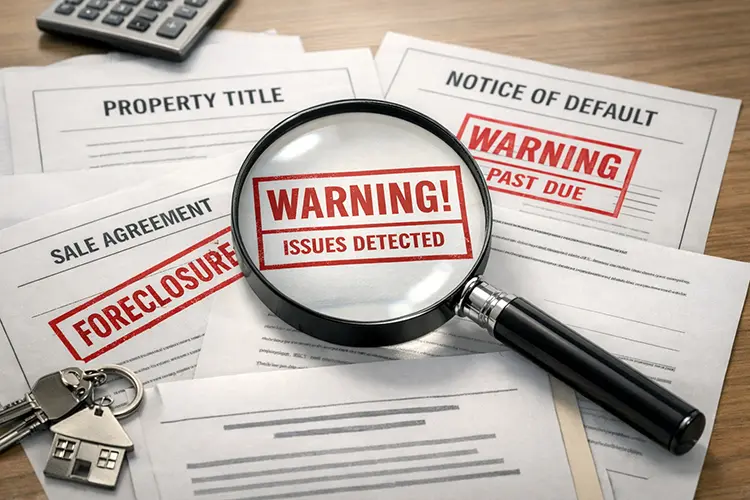
Victims often discover the fraud only after receiving mortgage statements or foreclosure notices.
⚠️ 2. Mortgage Fraud
This involves falsifying income, employment, or ownership details to secure a mortgage. In some cases, fraudsters impersonate the homeowner to refinance the property.
⚠️ 3. Rental Listing Scams
Criminals copy legitimate property listings and advertise them as rentals. They collect deposits from tenants and disappear.
The Toronto Police Service regularly reports rental scams, especially involving condos and vacant homes.
⚠️ 4. Identity Theft Linked to Property
Fraudsters may use stolen identification to change mailing addresses, intercept documents, and initiate ownership or financing changes.

Warning Signs Your Property Could Be Targeted
Early detection reduces damage. Watch for:
- Unexpected credit activity
- Missing financial or municipal mail
- Loan documents you did not request
- Unknown individuals claiming tenancy or ownership
- Notifications of title changes you did not authorize
Property records in Ontario are managed through systems overseen by ServiceOntario, where ownership information can be verified.
Who Is Most at Risk?
Certain situations increase vulnerability:
- Mortgage-free properties
- Seniors with fully paid homes
- Investment property owners
- Vacant properties
- Estate properties under probate
Properties without active lender oversight may have fewer automated checks.
How Property Fraud Typically Occurs
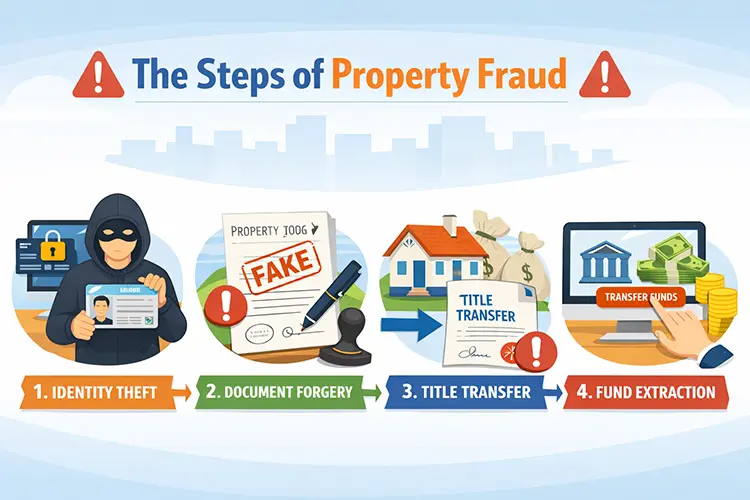
Fraud often follows a pattern:
- Personal information is obtained through phishing, data breaches, or stolen documents.
- False identification or legal documents are created.
- Ownership or financing applications are submitted.
- Funds are extracted before detection.
The Government of Canada notes that identity theft frequently precedes financial fraud.
Practical Prevention Steps
Prevention does not require aggressive measures — but it does require awareness.
Monitor Your Personal Information
Review your financial statements regularly and address unusual activity immediately.
Keep Documents Secure
Store property tax bills, identification, and legal paperwork safely.
Maintain Updated Contact Information
Ensure your financial institutions and legal representatives have accurate contact details.
Be Cautious With Digital Sharing
Avoid publicly posting ownership documents or sensitive personal details.
Periodically Review Ownership Records
Checking that your property title remains accurate can help detect unauthorized changes early.
What To Do If You Suspect Fraud
If you believe your property has been targeted:
- Contact your financial institution immediately.
- Consult a real estate lawyer.
- File a report with local law enforcement.
- Report the incident to the Canadian Anti-Fraud Centre.
Quick action significantly reduces long-term damage.
Final Thoughts
Could your property be a fraud target? In today’s environment, the honest answer is yes.
However, awareness and routine monitoring greatly reduce risk. Property fraud thrives on inattention. By staying informed and vigilant, homeowners and investors in Toronto and across Ontario can better protect their most valuable asset.

What Should Owners Know About Canada’s Underused Housing Tax?
Update (2026)
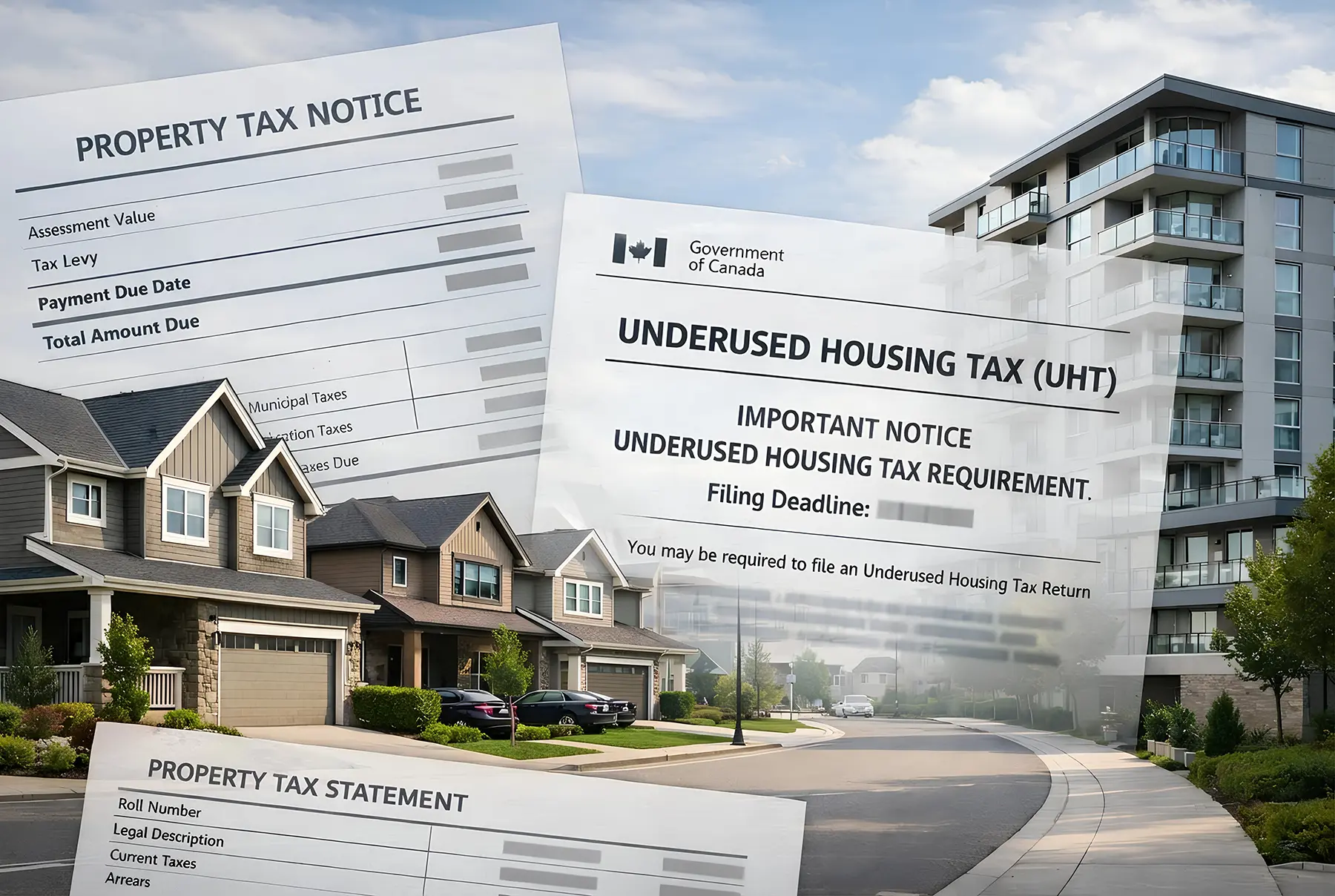
The federal government has introduced Bill C‑15, which is expected to end the Underused Housing Tax starting with the 2025 calendar year. If this bill becomes law, owners will not have to file UHT returns or pay UHT for 2025 and future years.
However, the current UHT rules still apply for the 2022, 2023 and 2024 calendar years. Owners who are required to file may still need to submit UHT returns and could face penalties for late or missed filings for those years. (ref: Underused Housing Tax (Government of Canada))
In this guide, we break down what the UHT is, who must file, available exemptions, filing deadlines, and what happens if you don’t comply.
What Is the Underused Housing Tax?
The Underused Housing Tax (UHT) is a 1 % annual tax on the value of certain residential properties in Canada that are considered vacant or underused. It is administered by the Canada Revenue Agency (CRA) and applies under rules set out in the Underused Housing Tax Act (UHTA).
The purpose of the tax is to encourage owners to make better use of housing resources across Canada, especially in areas where housing availability is a concern.
Who Must File a UHT Return?
Not all property owners are required to file a UHT return. Your filing obligations depend on your status and the type of property you own:
- Affected owners: Individuals or entities who are not classified as “excluded owners” and who own residential property in Canada generally must file a UHT return, even if no tax is owed.
- Excluded owners: Most Canadian individuals whose property is their principal residence are excluded and typically do not need to file or pay tax.
- Foreign owners: Non‑resident owners often must file and may owe tax.
- Corporate and entity owners: Corporations, trusts, and certain partnerships may also have filing requirements, even when no tax is payable.
Under the UHT rules, a “residential property” includes detached houses, semi‑detached homes, rowhouses, and condominium units located within Canada.
Even though the UHT is expected to end from 2025 onward, it is not retroactive. If you were an affected owner in 2022, 2023 or 2024 (for example, you own a residential property through a corporation, trust or partnership), you may still have to file UHT returns for those years, even if no tax is actually owing.
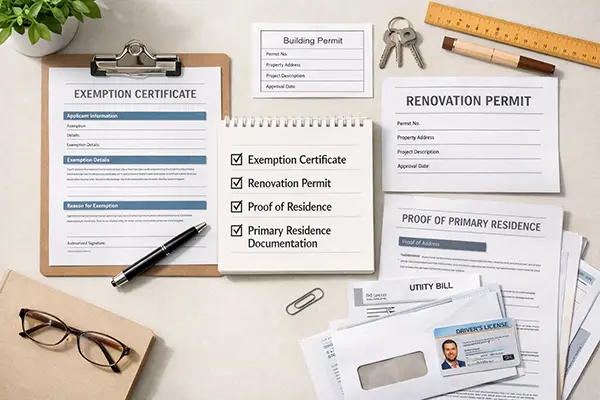
Key Exemptions That Prevent the Tax
Even when a UHT return is required, your property may be exempt from paying the 1 % tax for a calendar year if it meets one of the following conditions:
- Principal residence exemption: The property serves as your primary place of residence during the year.
- Exempt use: The property is used in a qualified way as defined by the UHTA.
- Excluded owner classification: You meet criteria that classify you as an “excluded owner,” meaning you are not subject to tax.
It’s important to understand the exemption criteria, as they directly affect whether tax is owed on a property.
Filing Deadlines and Requirements
Property owners who must file a UHT return should note the important deadlines:
- Annual deadline: UHT returns must generally be filed by April 30 of the year following the calendar year in which the property was owned.
- Example: For a property owned on December 31, 2025, the UHT return must be filed by April 30, 2026.
Even if no tax is payable due to exemptions, failing to file on time can result in penalties, so adhering to deadlines is critical.

Penalties and Interest
There are consequences for failing to file a UHT return by the deadline, even if no tax is payable:
- Minimum penalties: Affected individual owners may face minimum penalties for not filing, and corporations or non‑individual owners may face higher minimum amounts.
- Interest: If tax is owed and is not paid by the deadline, interest charges may apply.
Property owners should retain documentation supporting their filings and exemptions for at least six years, as the CRA may request this in reviews or audits.
Important Deadlines and Payments
For the 2025 VHT:
- Declaration deadline: April 30, 2026
- Tax rate: 3% of the property’s current value assessment
- Installment due dates: September 15, October 15, and November 16, 2026
Payment can be made through online bank portals, telephone banking, ATMs, or in person at financial institutions.
✨ Tips
It’s easy to confuse the Toronto Vacant Home Tax and Canada’s Underused Housing Tax because both target empty or underused properties. The chart below highlights the main differences so you know which rules apply to your property:
| Feature | Toronto Vacant Home Tax | Canada Underused Housing Tax |
|---|---|---|
| Level | City of Toronto | Federal (Canada) |
| Applies to | All residential properties in Toronto | Certain residential properties across Canada |
| Main Purpose | Encourage occupancy / reduce local vacancies | Optimize national housing use, tax non-resident owners |
| Administered by | City of Toronto | Canada Revenue Agency (CRA) |
| Tax / Penalty | City tax on vacant homes | 1% federal tax on underused homes, plus filing obligations |
| Key Focus | Local property occupancy | National compliance for underused properties |
*Always check whether your property falls under local or federal rules to avoid confusion and stay compliant.
Final Thoughts
Canada’s Underused Housing Tax is a compliance obligation that many property owners need to understand — not only to determine if tax is owed but also to ensure that the required annual return is filed correctly and on time. Carefully review your obligations, identify applicable exemptions, and seek guidance from the CRA or a tax professional if you are unsure.
Staying informed about the UHT helps you avoid penalties and ensures your property filings comply with federal requirements.
Disclaimer
This post is for general information only and is not tax or legal advice. The UHT rules and proposed changes (including Bill C‑15) can change, so please confirm your situation with a tax professional or directly with the CRA.
What Toronto Property Owners Need to Know About the Vacant Home Tax
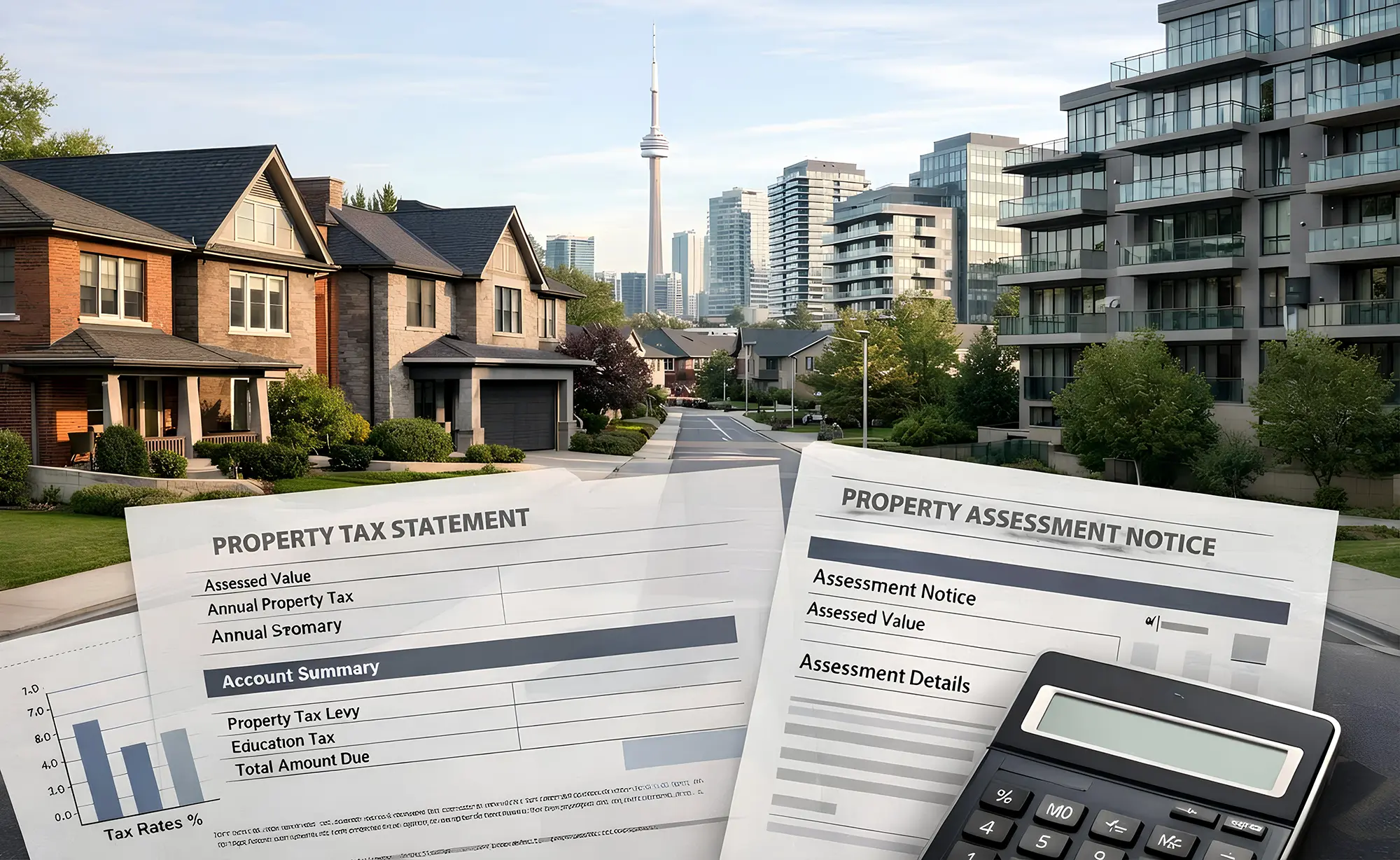
If you own residential property in the City of Toronto, you need to understand the Vacant Home Tax (VHT). This tax is designed to encourage owners to rent or sell properties that remain unoccupied for long periods. Annual declarations are required, and failing to declare — even on your main residence — can result in the tax being applied or potential fines.
This guide breaks down the key elements: who must declare, how to do it, which exemptions apply, important dates, and what happens if you don’t comply.

What Is the Vacant Home Tax?
The Vacant Home Tax is a municipal tax introduced by the City of Toronto. It applies to residential properties that are unoccupied for more than six months within a taxation year unless they qualify for an exemption or are the owner’s principal residence. The goal is to increase the availability of homes for rent or sale within the city.
For 2025, the declaration deadline is April 30, 2026, and owners must submit their occupancy status by that date each year.
Who Must Declare
Every residential property owner in Toronto must annually declare whether their property was:
- Occupied by the owner (principal residence)
- Occupied by tenants or household members
- Vacant but eligible for an exemption
- Vacant and taxable
Even properties that are the owner’s principal residence must be declared; most owners will not pay tax if they submit the declaration on time.
How to Declare Your Property’s Status
You can submit your VHT declaration in several ways:
- Online through the City’s Vacant Home Tax portal
- Phone by calling 311 within Toronto or 416-392-2489 from outside the city
- In person at designated City tax and utility counters
You’ll need your customer number and 21-digit assessment roll number from your property tax bill or statement to complete the declaration.

Key Exemptions That Prevent the Tax
Some situations allow a vacant property to be exempt from the Vacant Home Tax:
- Principal residence of the owner or eligible occupant
- Death of the registered owner (limited years)
- Major repairs or renovations preventing occupation
- Recent transfer of legal ownership
- Occupancy for full-time employment outside the GTA
- Court order preventing occupancy
- New residential inventory offered for sale
- Medical reasons requiring secondary residence
Supporting documentation is required when claiming an exemption.
What Happens If You Don’t Declare
If you fail to declare by the deadline:
- The property is deemed vacant and subject to the Vacant Home Tax
- A Vacant Home Tax notice may be issued
- You may face financial penalties or fines for false or missing declarations
You can dispute a bill or declaration through the City’s dispute and appeal processes, though deadlines may apply.
Important Deadlines and Payments
For the 2025 VHT:
- Declaration deadline: April 30, 2026
- Tax rate: 3% of the property’s current value assessment
- Installment due dates: September 15, October 15, and November 16, 2026
Payment can be made through online bank portals, telephone banking, ATMs, or in person at financial institutions.
✨ Tips
It’s easy to confuse the Toronto Vacant Home Tax and Canada’s Underused Housing Tax because both target empty or underused properties. The chart below highlights the main differences so you know which rules apply to your property:
| Feature | Toronto Vacant Home Tax | Canada Underused Housing Tax |
|---|---|---|
| Level | City of Toronto | Federal (Canada) |
| Applies to | All residential properties in Toronto | Certain residential properties across Canada |
| Main Purpose | Encourage occupancy / reduce local vacancies | Optimize national housing use, tax non-resident owners |
| Administered by | City of Toronto | Canada Revenue Agency (CRA) |
| Tax / Penalty | City tax on vacant homes | 1% federal tax on underused homes, plus filing obligations |
| Key Focus | Local property occupancy | National compliance for underused properties |
*Always check whether your property falls under local or federal rules to avoid confusion and stay compliant.
Final Thoughts
Understanding the Vacant Home Tax is essential for Toronto property owners — whether you live in the home, rent it out, or leave it empty. Complying with the annual declaration requirement and knowing your exemption options will help you avoid unnecessary taxes or penalties.
If you’re unsure about your situation, consider contacting the City of Toronto or a professional advisor.