

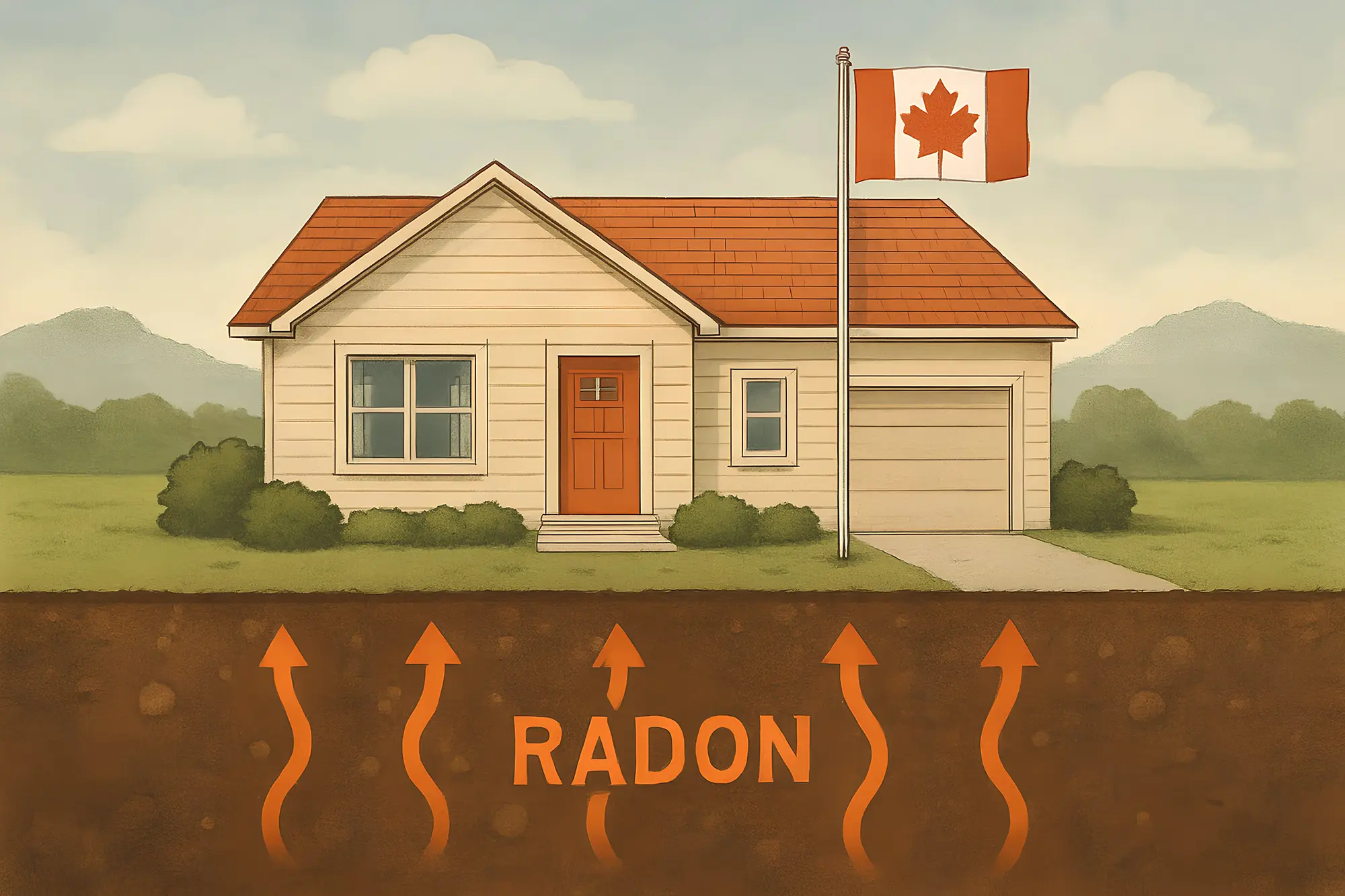
Over 10 Million Canadians Living with High Radon Levels and Cancer Risk
A recent national survey has raised alarm about indoor air quality across Canada. According to new data, over 10 million Canadians are living in homes where radon gas concentrations exceed recommended safety levels. Because radon is invisible and has no smell, many people have no idea whether their home has high levels. Testing and mitigation are essential to protect long-term health.
What Radon Is and Why It Matters
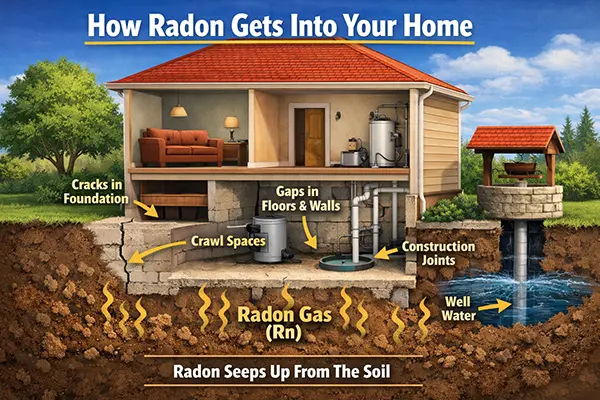
Radon is a naturally occurring radioactive gas that forms when uranium in soil and rocks breaks down. It can seep into buildings through small openings in foundations, gaps around pipes, and cracks in floors. When radon accumulates indoors, it can reach levels that pose health risks.
Health authorities advise action when radon levels reach 200 becquerels per cubic metre (Bq/m³) — a level associated with increased lung cancer risk.
Radon exposure is the second leading cause of lung cancer in Canada, after smoking. It is especially significant for people who have never smoked, making widespread home testing and mitigation critical.
Key Findings from the Latest National Report
The 2024 Cross-Canada Survey of Radon Exposure involved tens of thousands of long-term measurements nationwide and produced two striking findings:
- Nearly 18% of Canadian homes have radon levels at or above 200 Bq/m³.
- This implies that more than 10 million Canadians live in homes with elevated radon, significantly increasing their lifetime lung cancer risk.
This proportion is more than double what was previously estimated. Radon levels vary by region, but no area in Canada is completely free of the risk.
Health Impact of Radon Exposure
Radon gas becomes dangerous when inhaled over long periods. Its radioactive particles can damage lung tissue, increasing the risk of lung cancer. Studies show that:
- Even at moderate levels, prolonged radon exposure raises lifetime lung cancer risk.
- Radon exposure causes thousands of cancer deaths each year in Canada.
This makes understanding and managing radon in homes an important part of preventing avoidable illness.
What Homeowners Should Do
Because radon cannot be detected without testing, every home should be checked:
- Conduct a long-term test (ideally 3 months or more) using a recognized radon test kit.
- Compare results to Health Canada’s guideline (200 Bq/m³).
- If levels are high, install a mitigation system such as active sub-slab depressurization. This can reduce indoor radon by 80% or more.
Testing kits and professional services are widely available, and long-term testing provides the most accurate indication of exposure risk.
Radon and Property Responsibility
For landlords, property managers, and condo boards, radon safety is increasingly relevant. While Canadian radon regulations vary by province, responsible property stewardship includes testing indoor air quality and acting to protect occupants. Proactive radon mitigation can improve health outcomes and help avoid future liability.
Final Thoughts
The evidence is clear: radon exposure in Canadian homes is not rare, and it carries real health consequences. With millions of Canadians potentially affected, testing and mitigation should become routine parts of home maintenance.
Radon is measurable and manageable — but action starts with awareness and testing. No home should be left unchecked.

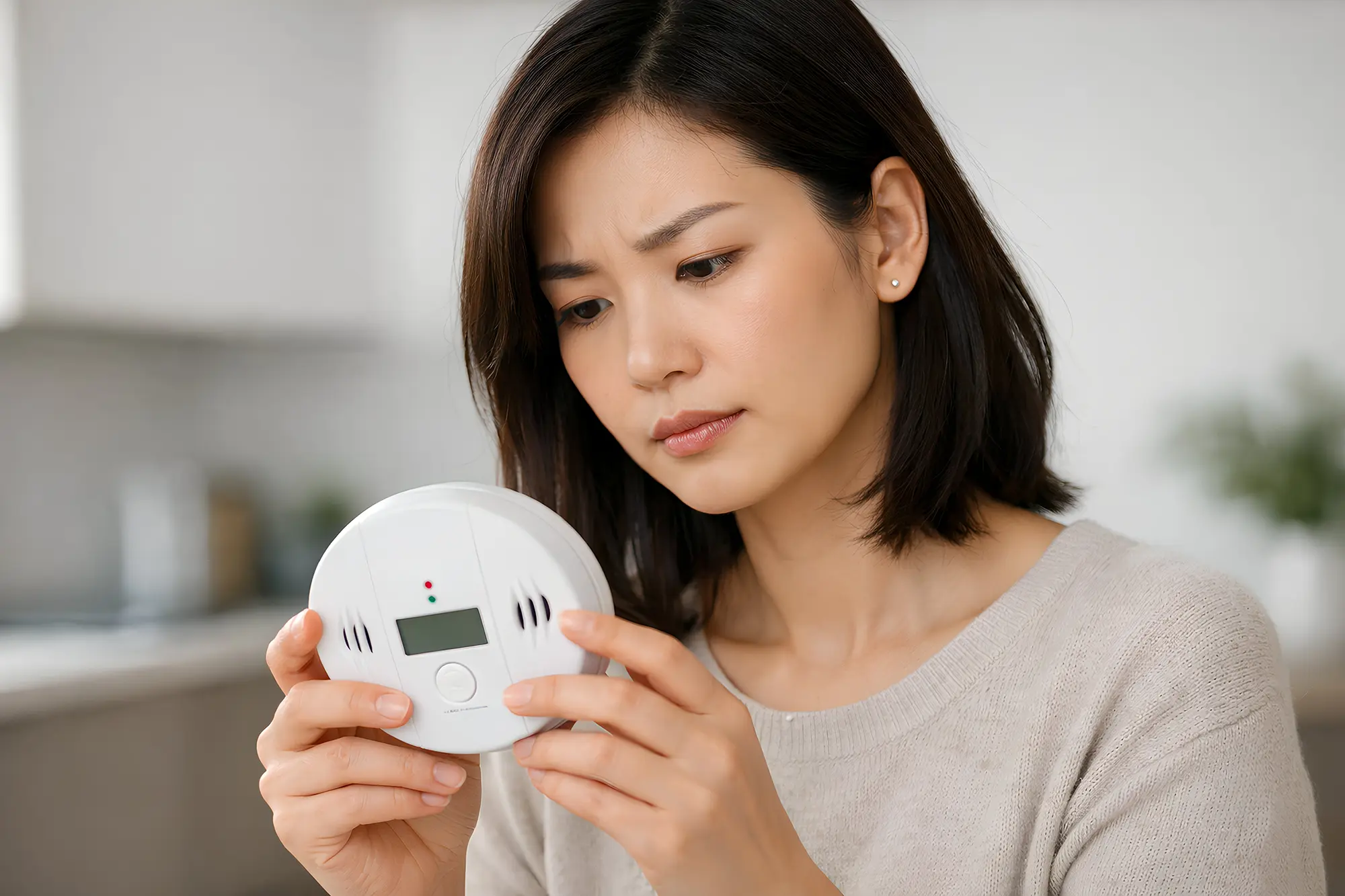
Ontario Carbon Monoxide Laws What Property Owners Need to Know
Ontario is strengthening residential safety standards with updated carbon monoxide (CO) alarm requirements under the Ontario Fire Code, effective January 1, 2026. These changes directly impact homeowners, landlords, and property managers across Ontario.
Carbon monoxide is a serious safety risk that cannot be seen or smelled. As a result, compliance with the new rules is not only a legal obligation but also a critical responsibility for protecting occupants and managing liability. This article explains the updated requirements, who must comply, and how property owners can prepare.
What Is Carbon Monoxide and Why It Matters
Carbon monoxide is produced when fuels such as natural gas, propane, oil, wood, or gasoline burn incompletely. In residential settings, common sources include furnaces, boilers, water heaters, fireplaces, gas stoves, and attached garages.
Exposure to carbon monoxide may cause headaches, dizziness, nausea, confusion, or loss of consciousness. In severe cases, it can be fatal. Because carbon monoxide cannot be detected by human senses, approved carbon monoxide alarms are the only reliable means of early warning.
Ontario Fire Code Changes Taking Effect in 2026
Carbon Monoxide Alarms on Every Storey
Under the updated Ontario Fire Code, carbon monoxide alarms must be installed on every storey of a residential building if the building contains:
- A fuel-burning appliance
- A fireplace
- An attached garage
This requirement applies regardless of whether bedrooms are located on that floor. Previously, alarms were typically required only near sleeping areas. The new rule expands coverage to improve early detection throughout the building.
Continued Requirement Near Sleeping Areas
In addition to every storey, carbon monoxide alarms must continue to be installed adjacent to sleeping areas to ensure occupants receive warning during overnight hours.
Buildings Covered by the New Requirements
The expanded rules apply to most residential and residential-type buildings, including:
- Detached, semi-detached, and townhouses
- Condominium units and apartment buildings
- Hotels, motels, and retirement homes
- Buildings where fuel-burning equipment is located outside the dwelling unit, such as in a mechanical room or detached structure
Carbon Monoxide Alarm Types and Standards
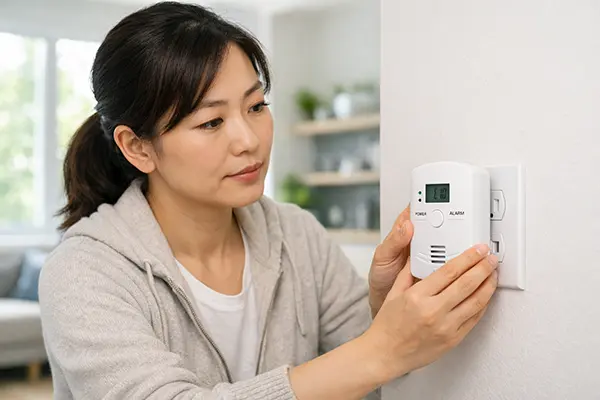
Carbon monoxide alarms installed to meet Ontario Fire Code requirements must:
- Be battery-operated, plug-in, or hardwired
- Be installed in accordance with the manufacturer’s instructions
- Meet recognized Canadian safety standards such as CSA or ULC certification
In some newer or multi-unit buildings, interconnected alarm systems may be required.
Responsibilities of Landlords and Property Owners
Landlords and Building Owners
Landlords and building owners are legally responsible for:
- Installing all required carbon monoxide alarms
- Ensuring alarms remain in working condition
- Replacing expired or defective alarms
These obligations apply to all rental properties, including single-family rentals and multi-unit residential buildings.
Tenant Responsibilities
Tenants are expected to:
- Avoid tampering with carbon monoxide alarms
- Notify the landlord promptly if an alarm is missing, damaged, or not functioning properly
Compliance Deadline
All applicable properties must meet the updated requirements no later than January 1, 2026. Existing buildings are not exempt once the compliance date is reached.
Penalties for Non-Compliance
Failure to comply with the Ontario Fire Code may result in enforcement action, including:
- Fines of up to $50,000 for individuals
- Higher fines for corporations
- Orders issued by local fire departments under the Fire Protection and Prevention Act
Best Practices for Property Owners
To maintain compliance and reduce risk, property owners should:
- Conduct a full audit of existing carbon monoxide alarm coverage
- Confirm alarms are installed on every storey and near sleeping areas
- Replace alarms according to manufacturer service-life guidelines, typically seven to ten years
- Test alarms regularly and keep maintenance records
- Arrange annual inspections of fuel-burning appliances by licensed professionals
Final Thoughts
Ontario’s updated carbon monoxide alarm requirements represent a meaningful step forward in residential safety. With the January 1, 2026 deadline approaching, landlords and property owners should act early to ensure their properties are fully compliant.
At Xtends Rental Management Inc., we support landlords and real estate professionals by managing compliance requirements with clarity and professionalism, helping protect tenants while preserving long-term property value.